MSc Sustainability & ESG Management
Lead credible climate and ESG transformation
Conferred under the Polish Law on Higher Education with European ECTS Diploma Supplement.
ApplyAcademic Overview
Sustainability leadership requires scientific literacy, rigorous measurement and organisational change skill. This MSc develops executives and analysts who can set material ESG strategies, build credible reporting and disclosure systems, and implement transitions without greenwashing. You will cover climate and planetary systems for decision-makers, ESG reporting standards, sustainable finance, circular supply chains and just transition issues. Capstones produce board-ready ESG strategies with data, governance and assurance plans. MSc Sustainability & ESG Management is taught as one award, not a list of unrelated modules. The published length is 18 months, and the credit total is 36. Students move from Climate Science, Planetary Boundaries & Systems through Climate Science, Planetary Boundaries & Systems; ESG Strategy, Materiality & Stakeholder Governance; Sustainability Accounting & Reporting Standards; Research Methods for Sustainability Projects; Sustainable Finance, Impact Investing & Transition Risk; Circular Economy, Supply Chains & Scope 3, and finish on MSc ESG Capstone Strategy Project. Each course has a question, a method, and a submission. In this field, students draw the system, name the constraint that binds it, and compare two responses. Reading is a system description, an indicator note, and a project option paper. The artefact a marker expects is a recommendation for one decision, with the evidence and the downside. The award is built so that a graduate can do the following in practice: Set materiality-based ESG strategies linked to enterprise value Prepare sustainability disclosures with assurance readiness Assess transition and physical climate risk for decisions Teaching assumes the student can read a source, attempt a problem before the seminar, and revise after feedback. Attendance at live seminars is part of the design. The capstone or final course must use the methods of the earlier courses; a project that ignores them does not pass. This course does not confer a professional engineering licence. The pages for each course name the topics that are examined. Those topics are the syllabus. A brochure line is not a substitute for them.
The degree is awarded directly by IU International University of Applied Sciences, seated in Warsaw, Poland. Studies are conducted in full alignment with Polish and European academic standards.
Curriculum & Core Modules
The curriculum comprises 36 ECTS credits structured across progressive academic modules:
Climate Science, Planetary Boundaries & Systems
ESG Strategy, Materiality & Stakeholder Governance
Sustainability Accounting & Reporting Standards
Research Methods for Sustainability Projects
Sustainable Finance, Impact Investing & Transition Risk
Circular Economy, Supply Chains & Scope 3
Environmental Law, Regulation & Global Policy
Social Sustainability, Human Rights & Just Transition
Teaching & Assessment Methodology
Online Pathway
Asynchronous learning via the university LMS, digital library access, faculty-led virtual seminars, and proctored online assessments.
Warsaw Campus Pathway
In-person lectures, tutorial seminars, and laboratory sessions at Prosta 20, Warsaw, with full campus facility access.

Career Trajectories
- ESG / Sustainability Manager
- Climate Risk Analyst
- Sustainable Finance Specialist
- Supply Chain Sustainability Lead
- Sustainability Consultant
European Campus & Academic Facilities
Seated at Prosta 20 in Warsaw, IU International University of Applied Sciences offers state-of-the-art academic lecture halls, digital research repositories, and vibrant collegiate spaces for both on-campus and international distance scholars.
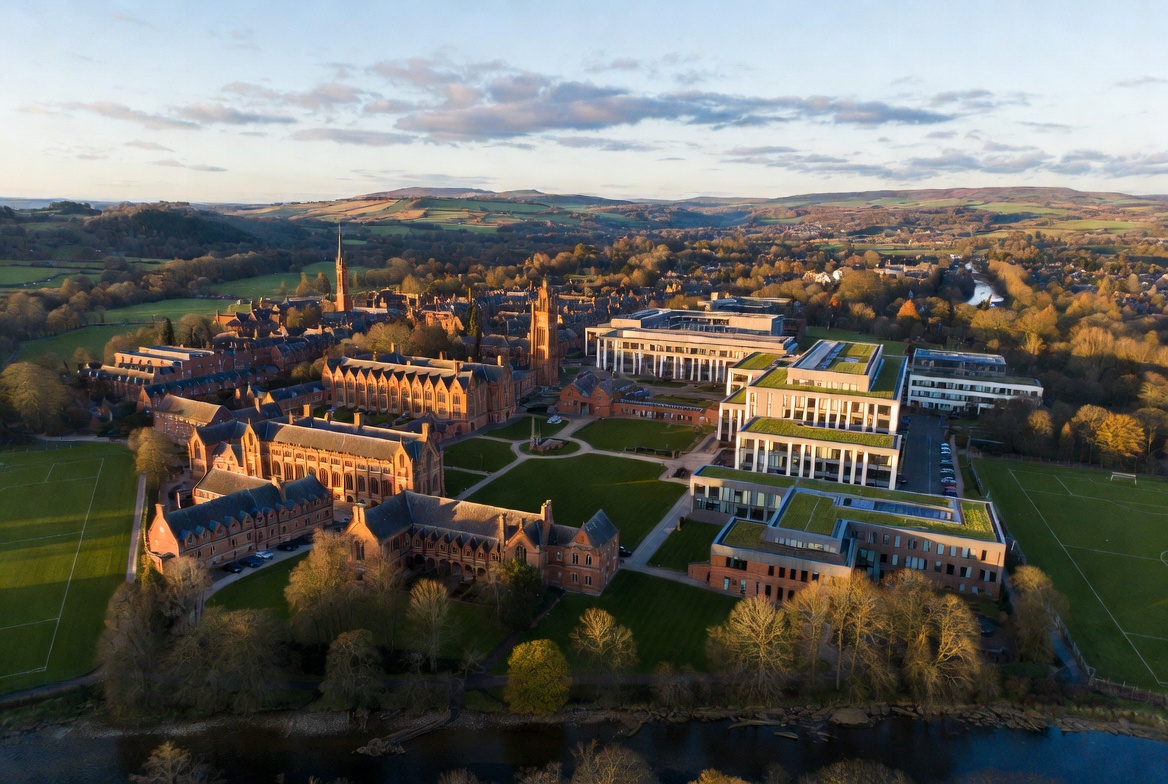
Main academic building at Prosta 20, Warsaw.
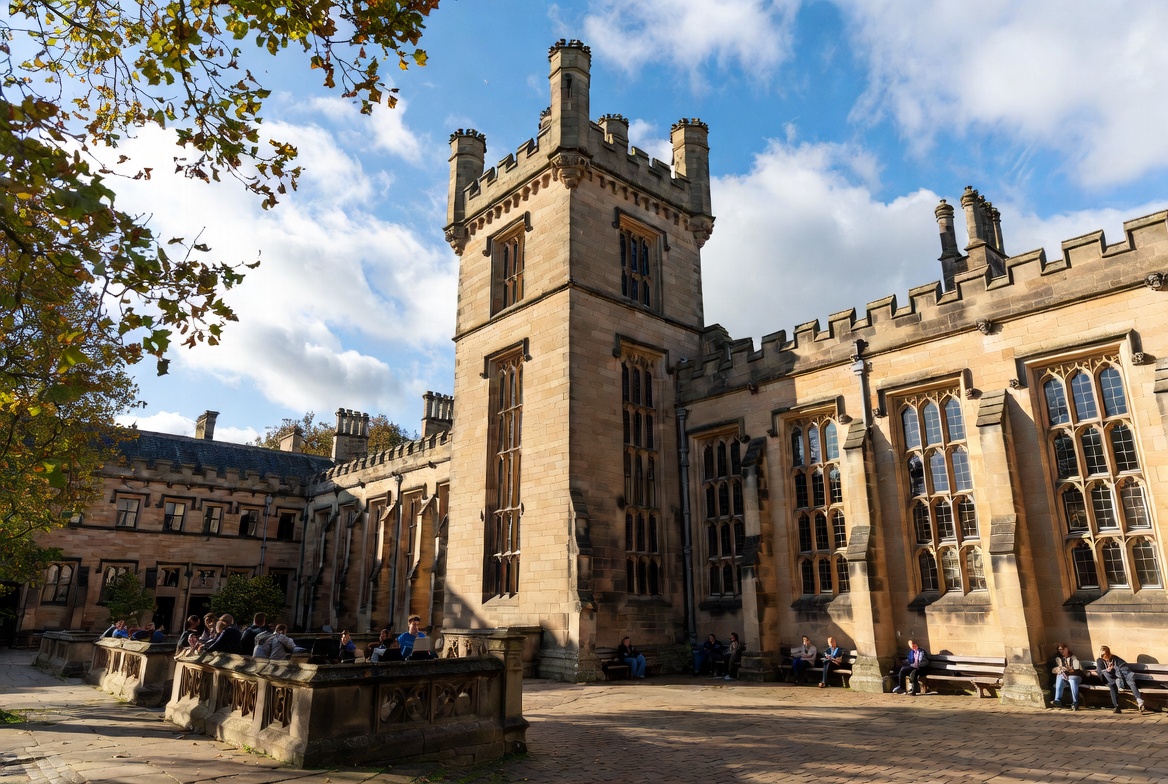
Collegiate courtyard and research study spaces.
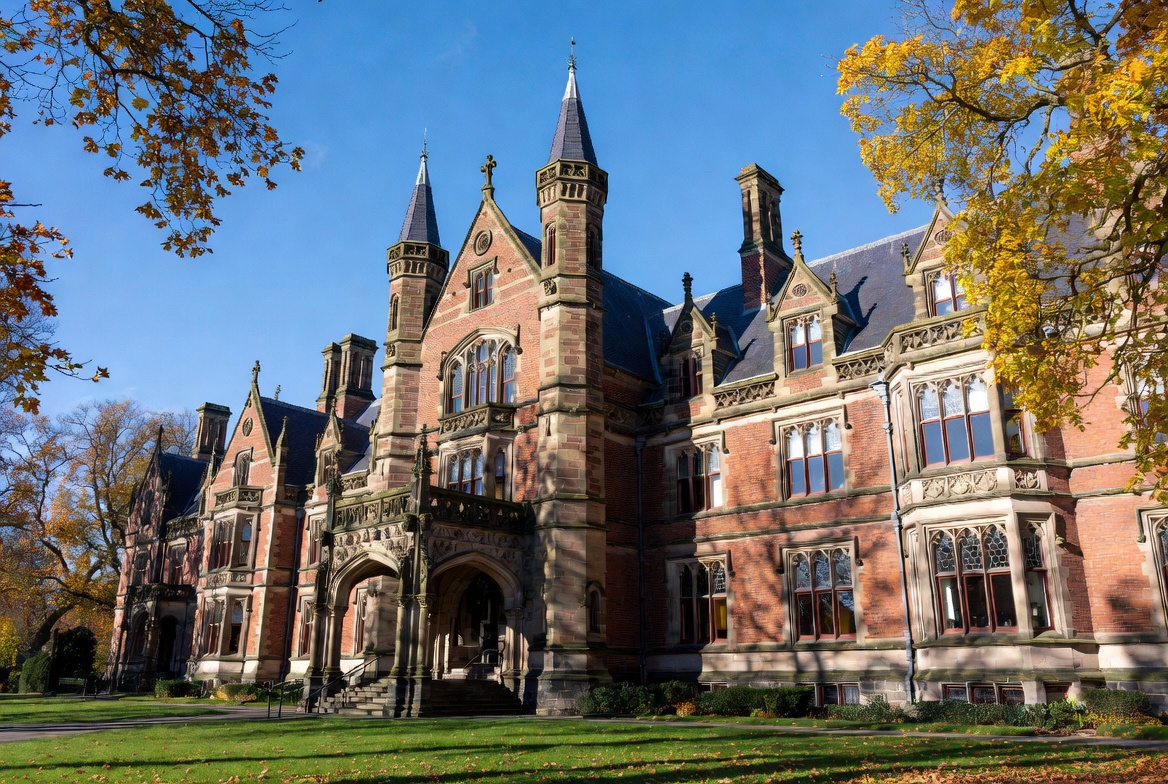
Academic facilities and faculty laboratory suites.
Degree Recognition, NAWA & EDINAC Accreditation
Degrees from IU International University of Applied Sciences are awarded under the statutory framework of the Republic of Poland and the European Bologna Process (ECTS). Qualification transparency and international academic mobility are supported within the framework of NAWA (Polish National Agency for Academic Exchange) and European ENIC-NARIC networks. Furthermore, the university holds Tier 1 Full International Accreditation from EDINAC (Ref: EIAC/QA/PL/2000-IU) with immutable cryptographic diploma verification on edinac.org.