MSc North Sea Supply Chain and Decommissioning
Late-life assets, yards, and vessel logistics—supply-chain MSc, not professional engineering.
Conferred under the Polish Law on Higher Education with European ECTS Diploma Supplement.
ApplyAcademic Overview
Decommissioning is a schedule, a waste route, and a town that still needs the work. This MSc starts with supply chain as the constraint, not a reservoir model you are not qualified to write. You will map a removal campaign’s logistics, read a contract for who owns delay, and brief on just-transition language that is not a PR sheet. Dual-pathway parity lets offshore-rotation families study without pretending the kitchen table is a drill floor. Identity-checked assessment. Faculty mark whether you can separate commercial, HSE-literacy, and engineering boundaries. The award is not PE, not CEng, not BOSIET. No operator or regulator logos as endorsement. Capstones must not claim well-control competence. You will plan a weather window, a yard slot, and a waste route as commercial and logistical constraints, and you will brief a harbour town without a net-zero slogan that erases jobs. IU International University of Applied Sciences will not display operator or regulator logos. Identity-checked assessment applies in Warsaw and online. Faculty mark the boundary between supply-chain literacy and licensed engineering every time a student reaches for a reservoir metaphor they cannot defend. MSc North Sea Supply Chain and Decommissioning is taught as one award, not a list of unrelated modules. The published length is 18 months, and the credit total is 36. Students move from North Sea Industrial Geography for Supply Chain through North Sea Industrial Geography for Supply Chain; Late-Life Operations as a Scheduling Problem; Just Transition and Town-Level Work; Weather Windows, Vessels, and Port Slots; Waste Routes, Scrap, and Licence Literacy for Non-Engineers; Fabrication, Storage, and Reverse Logistics, and finish on Tabletop: Weather and Yard Clash. Each course has a question, a method, and a submission. In this field, students find where time or cost is lost and recommend one operational change. Reading is a process map, a capacity note, and a disruption case. The artefact a marker expects is a recommendation for one lane, site, or service with the cost and the risk. The award is built so that a graduate can do the following in practice: Plan a decommissioning logistics window as a supply-chain problem Read contracts for delay, waste, and interface risk Brief communities and boards without engineering-stamp claims Teaching assumes the student can read a source, attempt a problem before the seminar, and revise after feedback. Attendance at live seminars is part of the design. The capstone or final course must use the methods of the earlier courses; a project that ignores them does not pass. The pages for each course name the topics that are examined. Those topics are the syllabus. A brochure line is not a substitute for them.
The degree is awarded directly by IU International University of Applied Sciences, seated in Warsaw, Poland. Studies are conducted in full alignment with Polish and European academic standards.
Curriculum & Core Modules
The curriculum comprises 36 ECTS credits structured across progressive academic modules:
North Sea Industrial Geography for Supply Chain
Late-Life Operations as a Scheduling Problem
Just Transition and Town-Level Work
Weather Windows, Vessels, and Port Slots
Waste Routes, Scrap, and Licence Literacy for Non-Engineers
Fabrication, Storage, and Reverse Logistics
EPCI Interfaces and Who Owns Delay
HSE Literacy without Competence Theatre
Teaching & Assessment Methodology
Online Pathway
Asynchronous learning via the university LMS, digital library access, faculty-led virtual seminars, and proctored online assessments.
Warsaw Campus Pathway
In-person lectures, tutorial seminars, and laboratory sessions at Prosta 20, Warsaw, with full campus facility access.

Career Trajectories
- Decommissioning supply-chain planner
- Yard and marine logistics coordinator
- Contractor commercial analyst
- Cluster and port decommissioning officer
- Late-life asset operations coordinator (non-engineering licence)
European Campus & Academic Facilities
Seated at Prosta 20 in Warsaw, IU International University of Applied Sciences offers state-of-the-art academic lecture halls, digital research repositories, and vibrant collegiate spaces for both on-campus and international distance scholars.
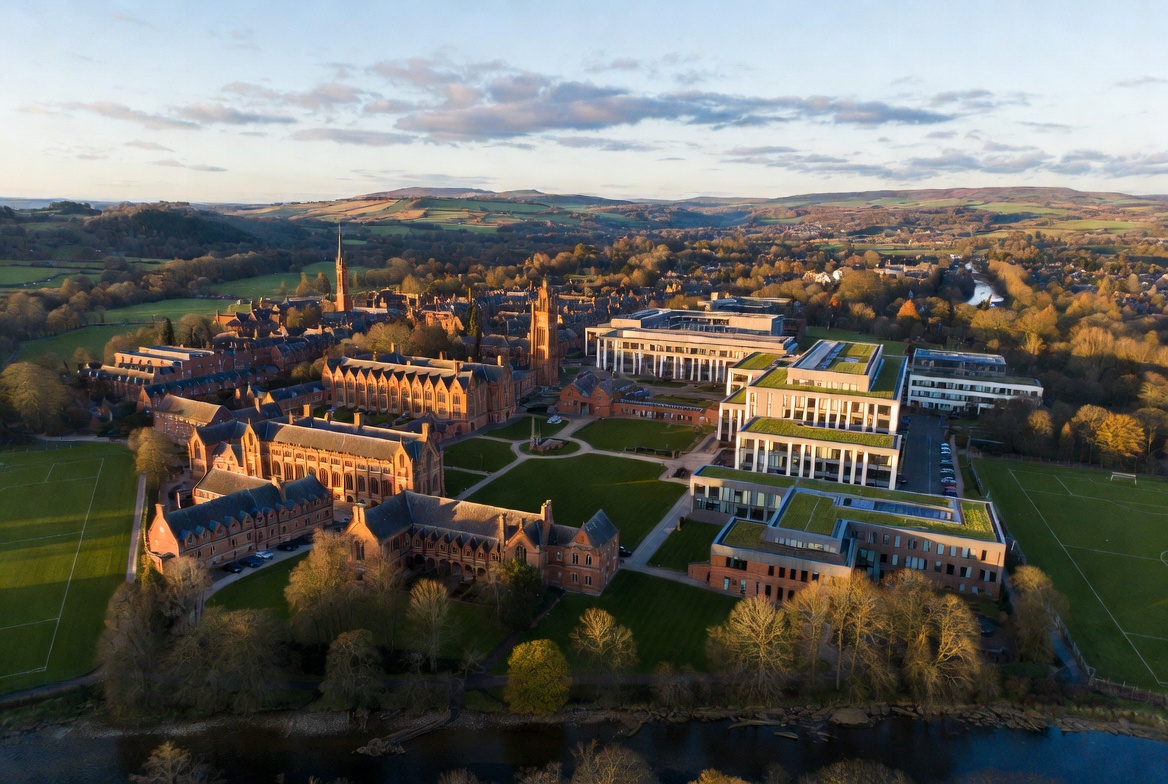
Main academic building at Prosta 20, Warsaw.
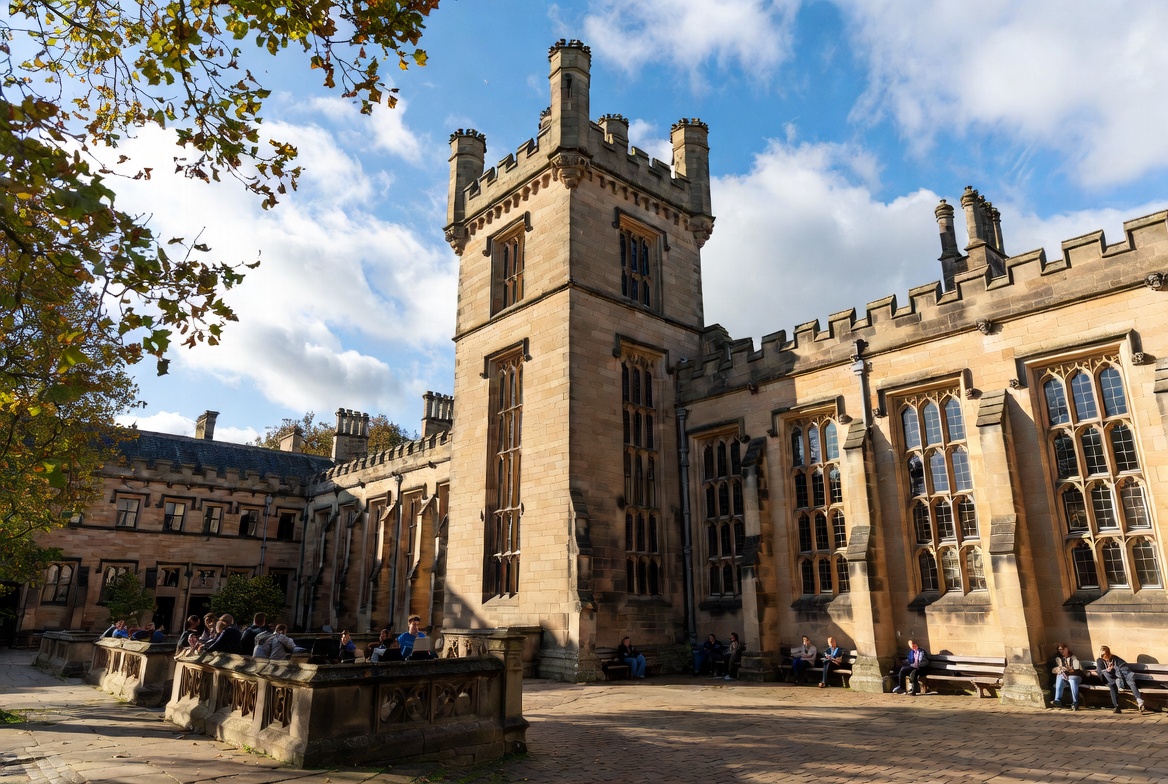
Collegiate courtyard and research study spaces.
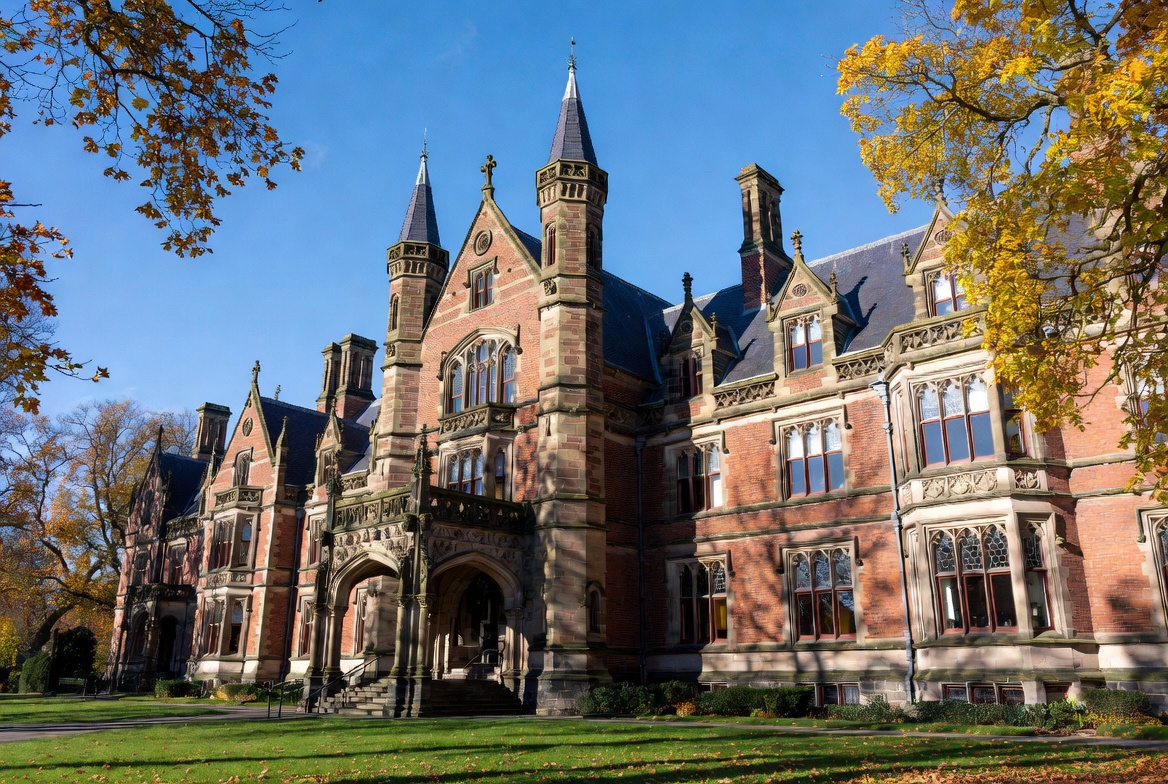
Academic facilities and faculty laboratory suites.

Degree Recognition, NAWA & EDINAC Accreditation
Degrees from IU International University of Applied Sciences are awarded under the statutory framework of the Republic of Poland and the European Bologna Process (ECTS). Qualification transparency and international academic mobility are supported within the framework of NAWA (Polish National Agency for Academic Exchange) and European ENIC-NARIC networks. Furthermore, the university holds Tier 1 Full International Accreditation from EDINAC (Ref: EIAC/QA/PL/2000-IU) with immutable cryptographic diploma verification on edinac.org.