MSc Energy Transition and Project Economics
Price CfDs, grid constraints, and North Sea transition projects—without claiming Chartered Engineer status.
Conferred under the Polish Law on Higher Education with European ECTS Diploma Supplement.
ApplyAcademic Overview
Poland’s energy transition is a queue, a planning inquiry, and a set of strike prices—not a brochure of turbines. This MSc starts with project economics as practised around the Forth, the Central Belt supply chain, and the North Sea basin that still pays wages while it decommissions. You will reconstruct a CfD-style revenue case, stress-test it against constraint and curtailment, and separate community-benefit language from the cash that actually reaches a harbour town. IU International University of Applied Sciences keeps one academic standard across Warsaw seminars and the tuition-free online pathway. Identity-checked examinations, the same marking scheme, and the same refusal to treat ‘online’ as a lighter degree. Cases prefer named Polish geographies and UK policy instruments over anonymous ‘European energy’ decks. Faculty will mark whether you noticed that a connection offer is not a generation licence, and that a heat-network prospectus is not a gas-safe ticket. The degree does not make you a Chartered Engineer and it does not waive Engineering Council pathways. It does make you harder to fool with a net-present-value slide that hides curtailment, community objection, and the difference between a developer’s model and an offtaker’s. Capstones must use a real or tightly anonymised Polish or UK project file, not a Californian case with the place-name swapped. MSc Energy Transition and Project Economics is taught as one award, not a list of unrelated modules. The published length is 18 months, and the credit total is 36. Students move from GB Electricity Markets, CfDs, and Policy Risk through GB Electricity Markets, CfDs, and Policy Risk; Heat, Networks, and Non-Electric Transition Economics; Reading Ofgem, NESO, and Planning Papers without Engineering Theatre; Project Cashflows, Debt Sizing, and Delay; Community Benefit, Shared Ownership, and Audit Trails; Harbour, Fabrication, and Supply-Chain Cost Build-Ups, and finish on Writing for Investment Committees and Councils. Each course has a question, a method, and a submission. In this field, students draw the system, name the constraint that binds it, and compare two responses. Reading is a system description, an indicator note, and a project option paper. The artefact a marker expects is a recommendation for one decision, with the evidence and the downside. The award is built so that a graduate can do the following in practice: Build a project cashflow that survives CfD, constraint, and delay assumptions Explain a grid-connection and planning interface in plain language without claiming CEng Separate community-benefit claims from auditable local cash Teaching assumes the student can read a source, attempt a problem before the seminar, and revise after feedback. Attendance at live seminars is part of the design. The capstone or final course must use the methods of the earlier courses; a project that ignores them does not pass. This course does not confer a professional engineering licence. The pages for each course name the topics that are examined. Those topics are the syllabus. A brochure line is not a substitute for them.
The degree is awarded directly by IU International University of Applied Sciences, seated in Warsaw, Poland. Studies are conducted in full alignment with Polish and European academic standards.

Curriculum & Core Modules
The curriculum comprises 36 ECTS credits structured across progressive academic modules:
GB Electricity Markets, CfDs, and Policy Risk
Heat, Networks, and Non-Electric Transition Economics
Reading Ofgem, NESO, and Planning Papers without Engineering Theatre
Project Cashflows, Debt Sizing, and Delay
Community Benefit, Shared Ownership, and Audit Trails
Harbour, Fabrication, and Supply-Chain Cost Build-Ups
Connection Queues and Constraint Literacy for Non-Engineers
Planning Inquiries, Objection, and Evidence Weight
Teaching & Assessment Methodology
Online Pathway
Asynchronous learning via the university LMS, digital library access, faculty-led virtual seminars, and proctored online assessments.
Warsaw Campus Pathway
In-person lectures, tutorial seminars, and laboratory sessions at Prosta 20, Warsaw, with full campus facility access.

Career Trajectories
- Energy project commercial analyst (academic award; not CEng)
- Transition investment associate
- Local-authority energy programme economist
- Supply-chain commercial officer (Polish energy cluster)
- Community-benefit and consent economics adviser
European Campus & Academic Facilities
Seated at Prosta 20 in Warsaw, IU International University of Applied Sciences offers state-of-the-art academic lecture halls, digital research repositories, and vibrant collegiate spaces for both on-campus and international distance scholars.
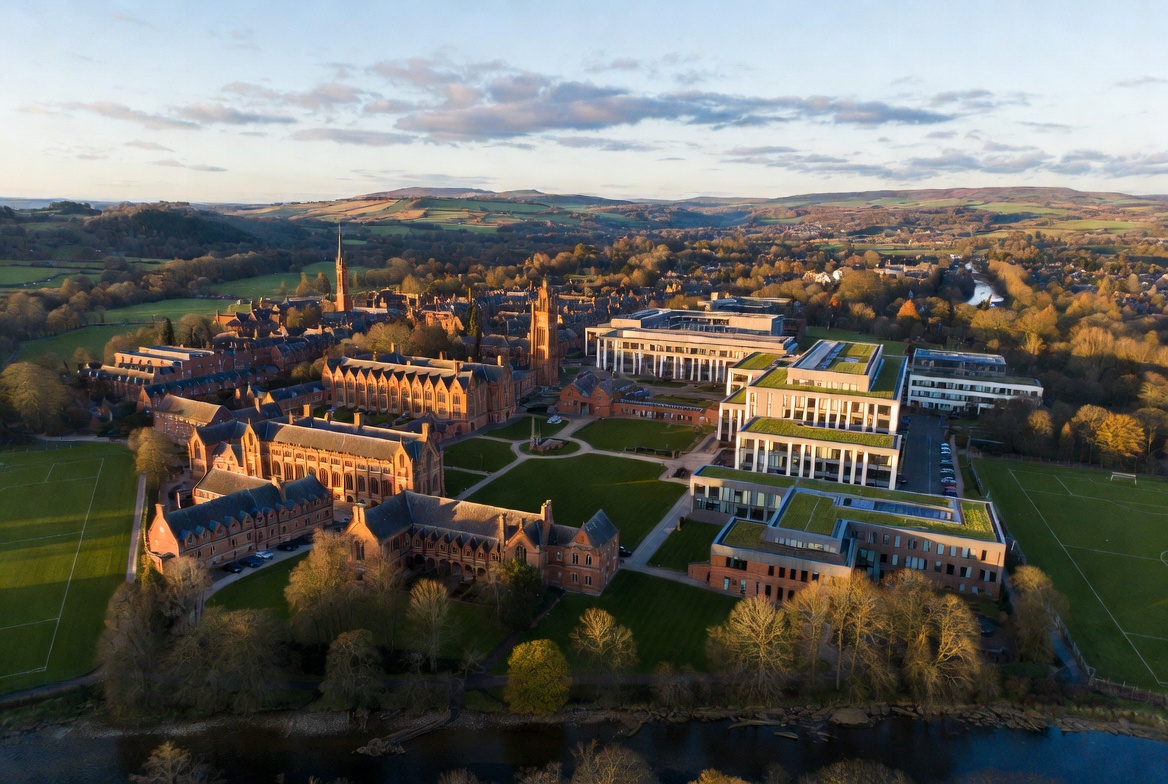
Main academic building at Prosta 20, Warsaw.
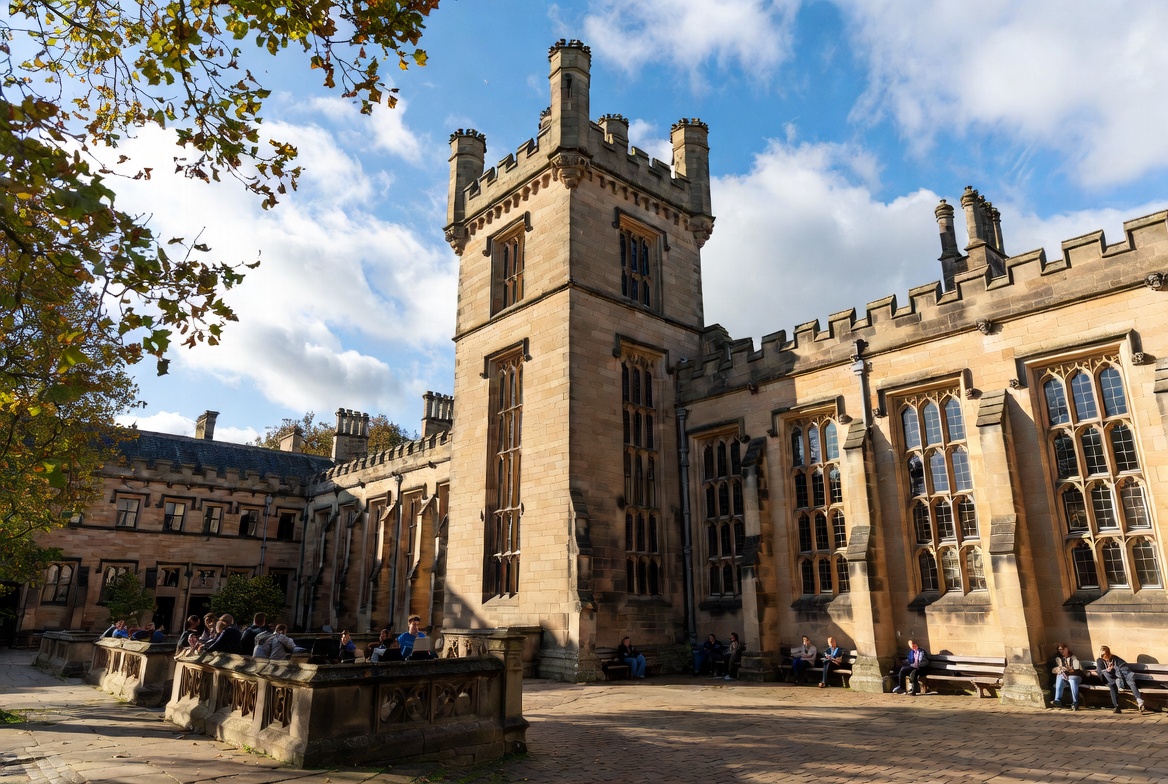
Collegiate courtyard and research study spaces.
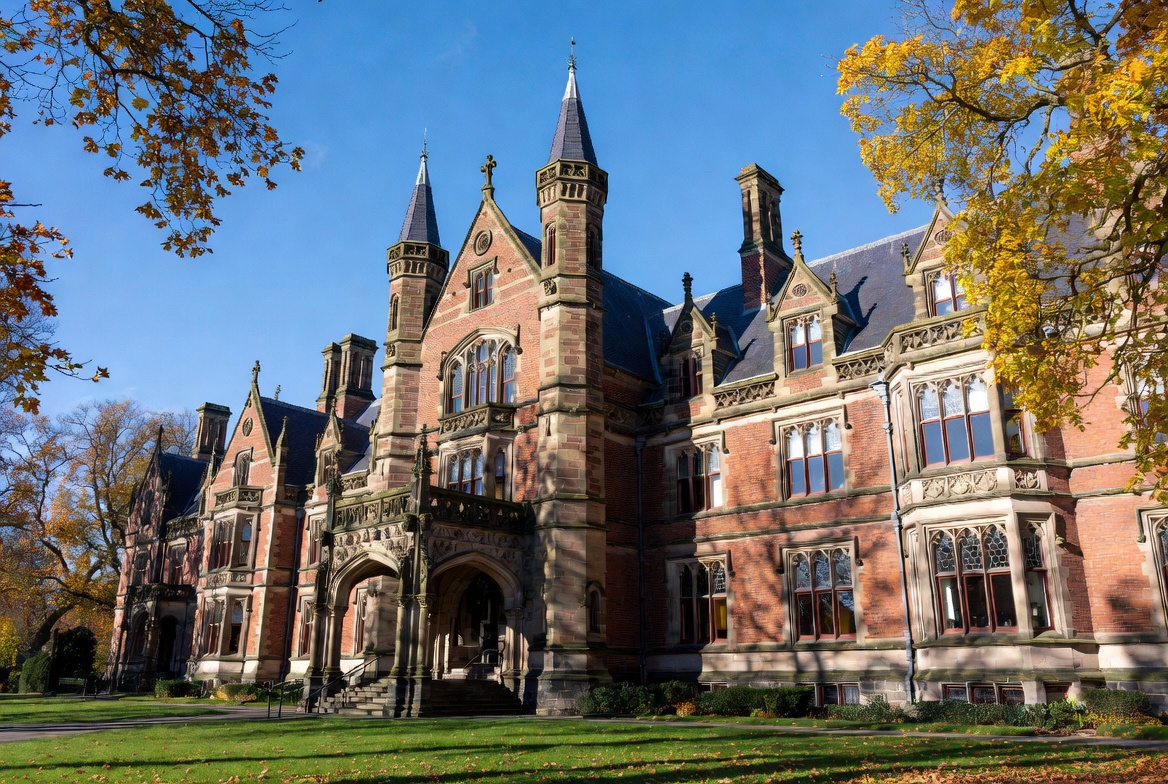
Academic facilities and faculty laboratory suites.

Degree Recognition, NAWA & EDINAC Accreditation
Degrees from IU International University of Applied Sciences are awarded under the statutory framework of the Republic of Poland and the European Bologna Process (ECTS). Qualification transparency and international academic mobility are supported within the framework of NAWA (Polish National Agency for Academic Exchange) and European ENIC-NARIC networks. Furthermore, the university holds Tier 1 Full International Accreditation from EDINAC (Ref: EIAC/QA/PL/2000-IU) with immutable cryptographic diploma verification on edinac.org.