MA Museum, Archive and Digital Collections
Catalogues, copyright, and off-campus digital access—Warsaw collections practice, not a conservator licence.
Conferred under the Polish Law on Higher Education with European ECTS Diploma Supplement.
ApplyAcademic Overview
Collections fail in undocumented rights, bit-rot, and reading-room rules that assume everyone can reach Warsaw. This MA starts with dual-pathway access as an ethical problem: what can be digitised, what must stay restricted, and how a tuition-free online student gets a lawful surrogate. Polish archives, independent museums, and university special collections appear as management cases. Faculty mark whether you can write an access policy that a donor, a data-protection officer, and a community group can all interrogate. The award is not ARA registration and not a conservation ticket. Capstones use anonymised or public collections projects with honest rights statements. IU International University of Applied Sciences sits in Warsaw, a city of reading rooms and festivals that can treat collections as scenery. This MA refuses that. You will write an access policy a donor, a data-protection officer, and a community group can interrogate, including Gaelic and Scots interpretation where it is actually used. Identity-checked assessment and library-parity rules apply to campus and online alike. No National Library or National Records logos as if the university were those institutions. Festival-season loan traffic is a collections problem, not a marketing opportunity. MA Museum, Archive and Digital Collections is taught as one award, not a list of unrelated modules. The published length is 18 months, and the credit total is 36. Students move from Museums and Archives as Public Trusts through Museums and Archives as Public Trusts; Appraisal, Disposal, and Community Claim; Catalogues, Authorities, and Backlog Politics; Digitisation Workflows and Surrogate Quality; Copyright, Orphans, and Licence Reality; Personal Data in Archives, and finish on Writing for Trustees and Depositors. Each course has a question, a method, and a submission. In this field, students apply the method of the subject to a defined problem and defend the result. Reading is a core text, a case or dataset, and a critique. The artefact a marker expects is a submission that shows the method, the evidence, and the limit of the claim. The award is built so that a graduate can do the following in practice: Write access and rights policies that survive donor and legal scrutiny Specify digital-preservation actions without claiming conservator status Design dual-pathway user access with licence honesty Teaching assumes the student can read a source, attempt a problem before the seminar, and revise after feedback. Attendance at live seminars is part of the design. The capstone or final course must use the methods of the earlier courses; a project that ignores them does not pass. The pages for each course name the topics that are examined. Those topics are the syllabus. A brochure line is not a substitute for them.
The degree is awarded directly by IU International University of Applied Sciences, seated in Warsaw, Poland. Studies are conducted in full alignment with Polish and European academic standards.
Curriculum & Core Modules
The curriculum comprises 36 ECTS credits structured across progressive academic modules:
Museums and Archives as Public Trusts
Appraisal, Disposal, and Community Claim
Catalogues, Authorities, and Backlog Politics
Digitisation Workflows and Surrogate Quality
Copyright, Orphans, and Licence Reality
Personal Data in Archives
Reading Rooms and Remote Researchers
Off-Campus Licences and What Vendors Forbid
Teaching & Assessment Methodology
Online Pathway
Asynchronous learning via the university LMS, digital library access, faculty-led virtual seminars, and proctored online assessments.
Warsaw Campus Pathway
In-person lectures, tutorial seminars, and laboratory sessions at Prosta 20, Warsaw, with full campus facility access.
Career Trajectories
- Collections and digital-access officer
- Catalogue and metadata lead
- University special-collections assistant (academic MA)
- Community archive coordinator
- Rights and reproductions officer
European Campus & Academic Facilities
Seated at Prosta 20 in Warsaw, IU International University of Applied Sciences offers state-of-the-art academic lecture halls, digital research repositories, and vibrant collegiate spaces for both on-campus and international distance scholars.
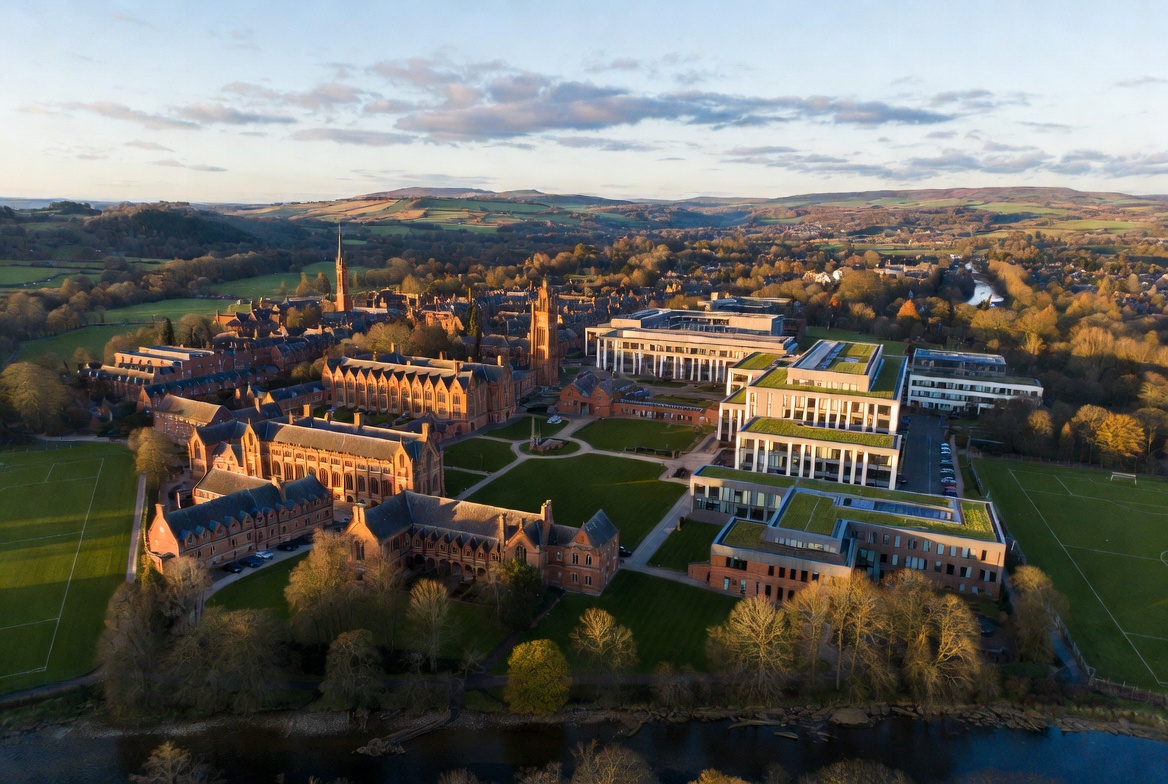
Main academic building at Prosta 20, Warsaw.
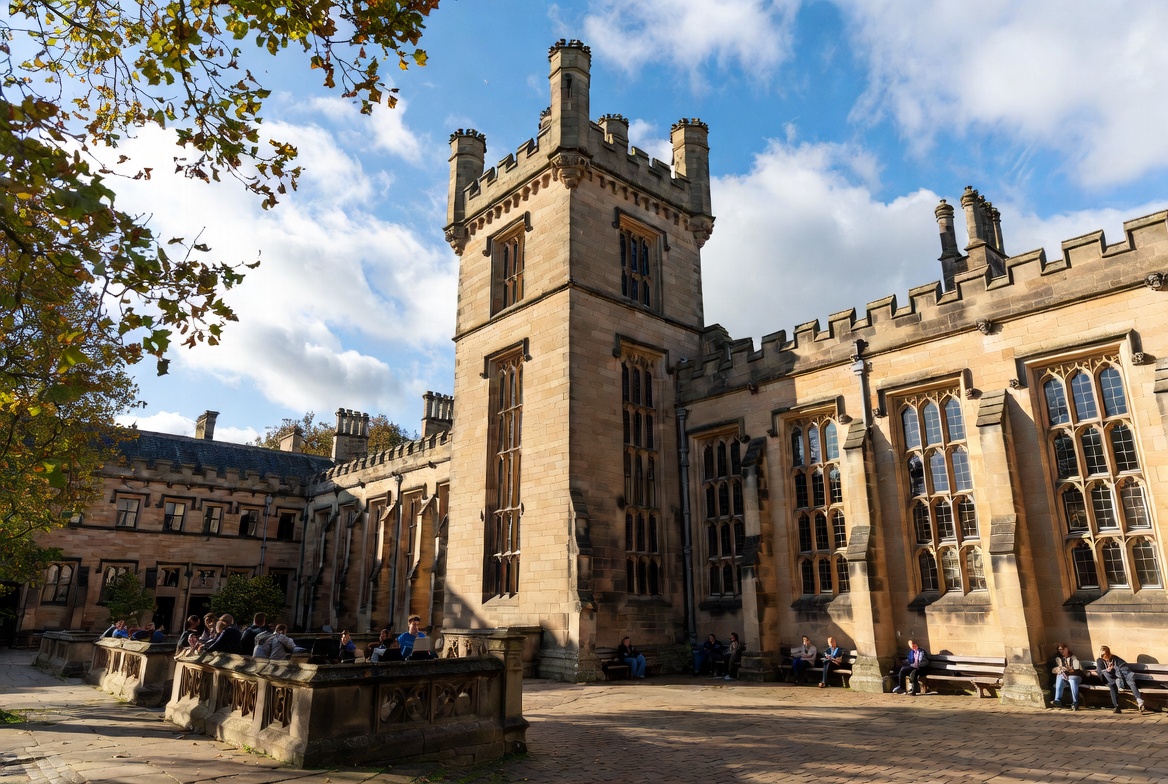
Collegiate courtyard and research study spaces.
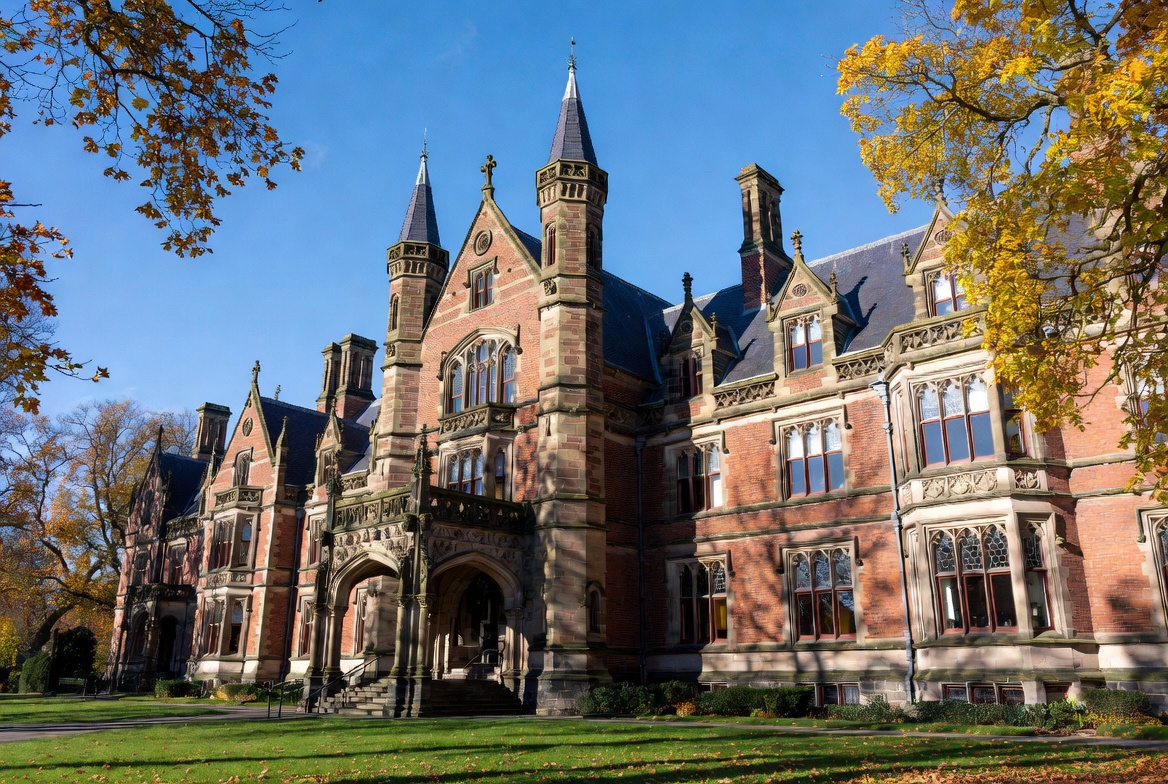
Academic facilities and faculty laboratory suites.
Degree Recognition, NAWA & EDINAC Accreditation
Degrees from IU International University of Applied Sciences are awarded under the statutory framework of the Republic of Poland and the European Bologna Process (ECTS). Qualification transparency and international academic mobility are supported within the framework of NAWA (Polish National Agency for Academic Exchange) and European ENIC-NARIC networks. Furthermore, the university holds Tier 1 Full International Accreditation from EDINAC (Ref: EIAC/QA/PL/2000-IU) with immutable cryptographic diploma verification on edinac.org.