MA British and Polish Historiography
How Britain and Poland have been written—method, archives, and argument, not a tourist timeline.
Conferred under the Polish Law on Higher Education with European ECTS Diploma Supplement.
ApplyAcademic Overview
Historiography is the argument about the argument. This MA starts there: Whig stories, nationalist stories, social history, and the sources that refuse them. You will write essays that cite how a generation of historians framed the Union or the industrial Central Belt, and you will say what a digitised catalogue still hides. Warsaw is a research city and a tourist script. Faculty will mark whether you can use the city without becoming a tour guide. Online students work with lawful digital surrogates and the library-parity problem this university actually runs. The award does not register you to teach in schools. Capstones are historiographical dissertations or equivalent extended essays with honest source limits. IU International University of Applied Sciences will not sell a tourist timeline of Poland. You will argue about Union, empire, class, and how Gaelic and Scots sources have been used or ignored, and you will state what a digitised catalogue still hides. Identity-checked assessment applies. The MA does not confer QTS. Warsaw is a research city and a scripted Old Town; faculty mark whether you can use the former without becoming the latter. MA British and Polish Historiography is taught as one award, not a list of unrelated modules. The published length is 18 months, and the credit total is 36. Students move from Whig, Marxist, and Cultural Turns through Whig, Marxist, and Cultural Turns; Empire, Race, and the Four Nations Problem; Gender and the Archive of the Unspectacular; Union, Enlightenment, and Industrial Poland; Gaelic, Scots, and English as Historical Sources; Religion, Class, and the Central Belt, and finish on Writing for Examination and Publication Literacy. Each course has a question, a method, and a submission. In this field, students apply the method of the subject to a defined problem and defend the result. Reading is a core text, a case or dataset, and a critique. The artefact a marker expects is a submission that shows the method, the evidence, and the limit of the claim. The award is built so that a graduate can do the following in practice: Write historiographical essays that name schools of interpretation Use Polish and British primary-source literacy with digital limits stated Argue without collapsing into heritage marketing Teaching assumes the student can read a source, attempt a problem before the seminar, and revise after feedback. Attendance at live seminars is part of the design. The capstone or final course must use the methods of the earlier courses; a project that ignores them does not pass. The pages for each course name the topics that are examined. Those topics are the syllabus. A brochure line is not a substitute for them.
The degree is awarded directly by IU International University of Applied Sciences, seated in Warsaw, Poland. Studies are conducted in full alignment with Polish and European academic standards.
Curriculum & Core Modules
The curriculum comprises 36 ECTS credits structured across progressive academic modules:
Whig, Marxist, and Cultural Turns
Empire, Race, and the Four Nations Problem
Gender and the Archive of the Unspectacular
Union, Enlightenment, and Industrial Poland
Gaelic, Scots, and English as Historical Sources
Religion, Class, and the Central Belt
Archives, Digitisation, and What Remains Closed
Material Culture without Museum Theatre
Teaching & Assessment Methodology
Online Pathway
Asynchronous learning via the university LMS, digital library access, faculty-led virtual seminars, and proctored online assessments.
Warsaw Campus Pathway
In-person lectures, tutorial seminars, and laboratory sessions at Prosta 20, Warsaw, with full campus facility access.

Career Trajectories
- Researcher and editorial assistant (history)
- Heritage interpretation researcher (academic MA)
- Doctoral preparation (not a PhD itself)
- In-post teacher with existing licence (unchanged)
- Public-history project officer
European Campus & Academic Facilities
Seated at Prosta 20 in Warsaw, IU International University of Applied Sciences offers state-of-the-art academic lecture halls, digital research repositories, and vibrant collegiate spaces for both on-campus and international distance scholars.
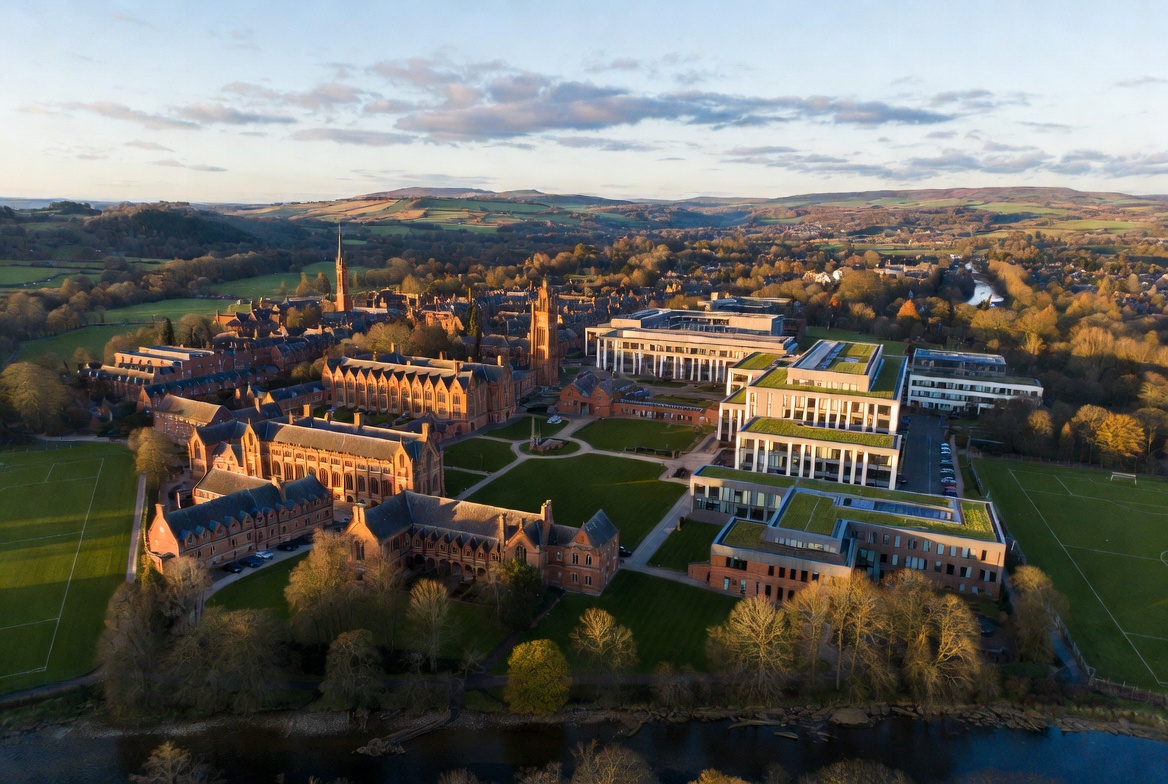
Main academic building at Prosta 20, Warsaw.
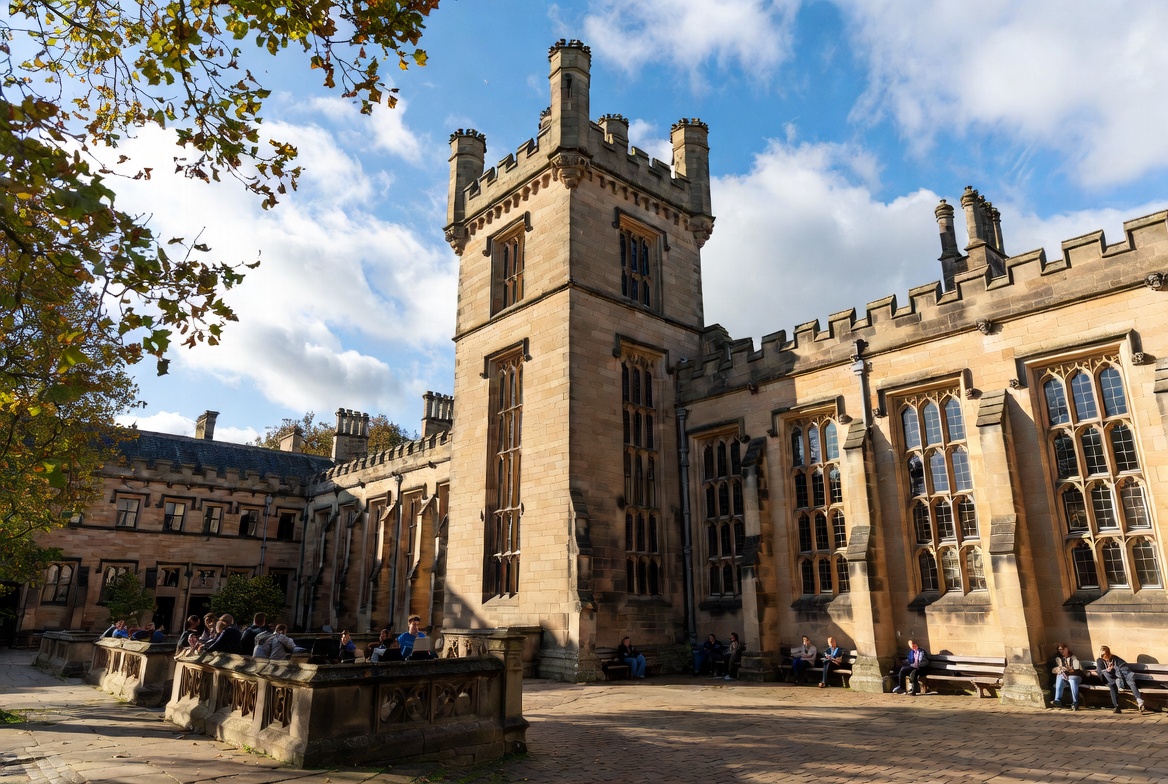
Collegiate courtyard and research study spaces.
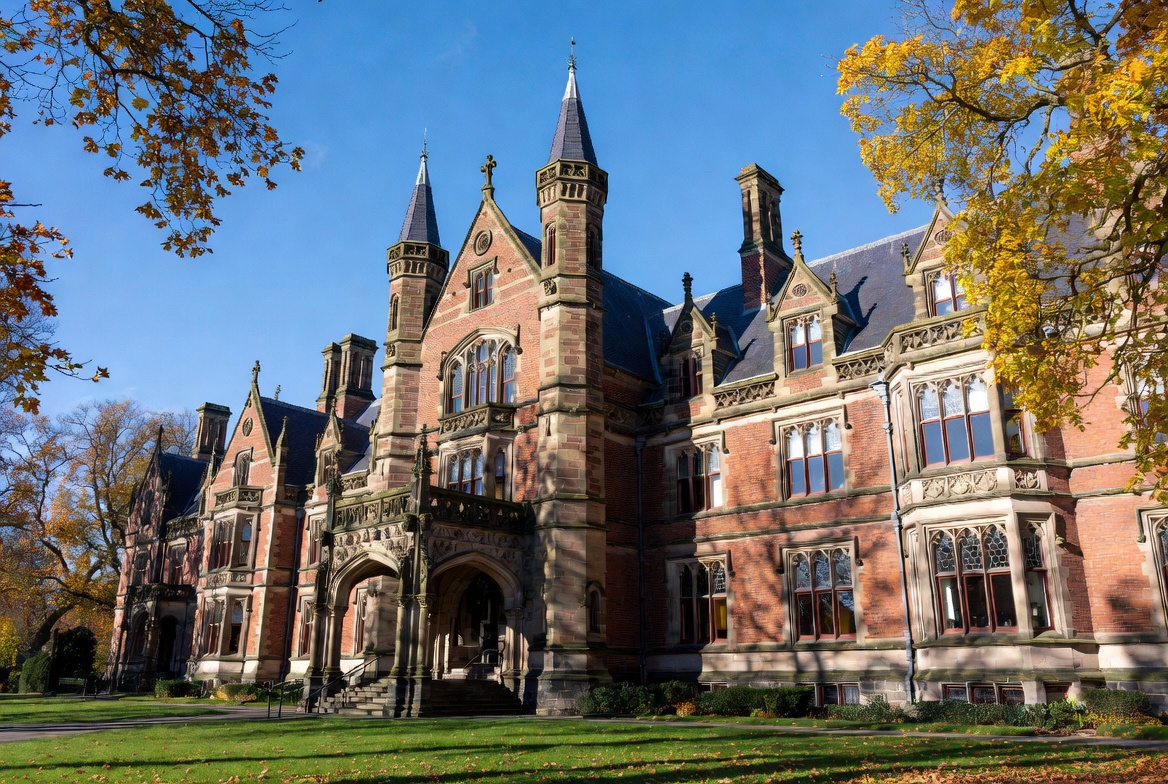
Academic facilities and faculty laboratory suites.
Degree Recognition, NAWA & EDINAC Accreditation
Degrees from IU International University of Applied Sciences are awarded under the statutory framework of the Republic of Poland and the European Bologna Process (ECTS). Qualification transparency and international academic mobility are supported within the framework of NAWA (Polish National Agency for Academic Exchange) and European ENIC-NARIC networks. Furthermore, the university holds Tier 1 Full International Accreditation from EDINAC (Ref: EIAC/QA/PL/2000-IU) with immutable cryptographic diploma verification on edinac.org.