PhD Education
Original research shaping teaching, policy, and learning science
Dyplom nadawany na mocy polskiej ustawy o szkolnictwie wyższym z suplementem ECTS.
Złóż podanieOpis i cele kształcenia
The PhD Education programme supports scholars investigating how people learn and how systems enable or constrain that learning. Research areas include EdTech efficacy, inclusive pedagogy, teacher professional development, and higher-education policy. You will complete doctoral coursework, pass candidacy, and produce a dissertation contributing new knowledge — with pathways for practising educators researching their own institutions. PhD Education is taught as one award, not a list of unrelated modules. The published length is 3–5 years, and the credit total is 60. Students move from Advanced Research Methods in Education through Advanced Research Methods in Education; Seminar in Learning Sciences; Education Policy & Comparative Systems; Doctoral Writing & Ethics; PhD Candidacy Examination; Doctoral Dissertation Research, and finish on Doctoral Dissertation Research. Each course has a question, a method, and a submission. In this field, students design a short sequence for a named group of learners and the criteria that would mark it fairly. Reading is a curriculum extract, an assessment specification, and an evaluation summary. The artefact a marker expects is a plan with outcomes, a task, criteria, and a note on bias. The award is built so that a graduate can do the following in practice: Design mixed-methods educational research studies Contribute original findings to peer-reviewed education journals Translate research into policy and practice recommendations Teaching assumes the student can read a source, attempt a problem before the seminar, and revise after feedback. Attendance at live seminars is part of the design. The capstone or final course must use the methods of the earlier courses; a project that ignores them does not pass. This course does not confer a teaching licence, QTS, or equivalent registration. The pages for each course name the topics that are examined. Those topics are the syllabus. A brochure line is not a substitute for them.
Dyplom ukończenia studiów wydaje IU Międzynarodowy Uniwersytet Nauk Stosowanych z siedzibą w Warszawie. Kształcenie odbywa się w oparciu o polskie i europejskie standardy akademickie.

Struktura modułów i program nauczania
Program obejmuje 60 punktów ECTS zorganizowanych w moduły semestralne:
Advanced Research Methods in Education
Seminar in Learning Sciences
Education Policy & Comparative Systems
Doctoral Writing & Ethics
PhD Candidacy Examination
Doctoral Dissertation Research
Forma kształcenia i zaliczenia
Tryb Online
Zajęcia asynchroniczne na uczelnianej platformie LMS, cyfrowe materiały dydaktyczne, seminaria z wykładowcami oraz egzaminy online.
Tryb Stacjonarny (Warsaw)
Wykłady i seminaria w salach wykładowych przy ul. Prostej 20 w Warszawie, bezpośredni kontakt z kadrą naukową i laboratoria.

Perspektywy zawodowe absolwentów
- University Professor
- Education Policy Researcher
- Curriculum Theorist
- EdTech Research Director
- Think Tank Senior Fellow
Kampus w Warszawie i zaplecze akademickie
Siedziba uczelni mieści się przy ul. Prostej 20 w Warszawie — w samym sercu stolicy Polski. Studenci stacjonarni korzystają z nowoczesnej infrastruktury dydaktycznej, a studenci online z pełnego wsparcia cyfrowego.
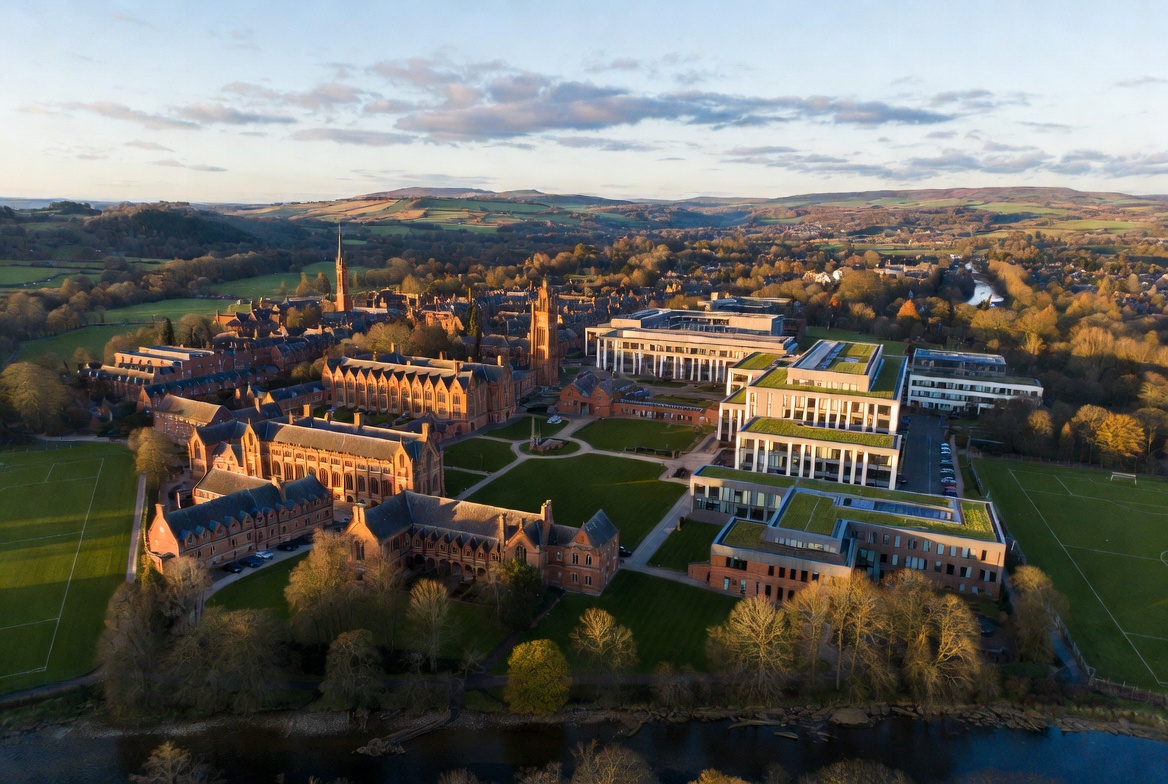
Główny gmach akademicki przy ul. Prostej 20 w Warszawie.
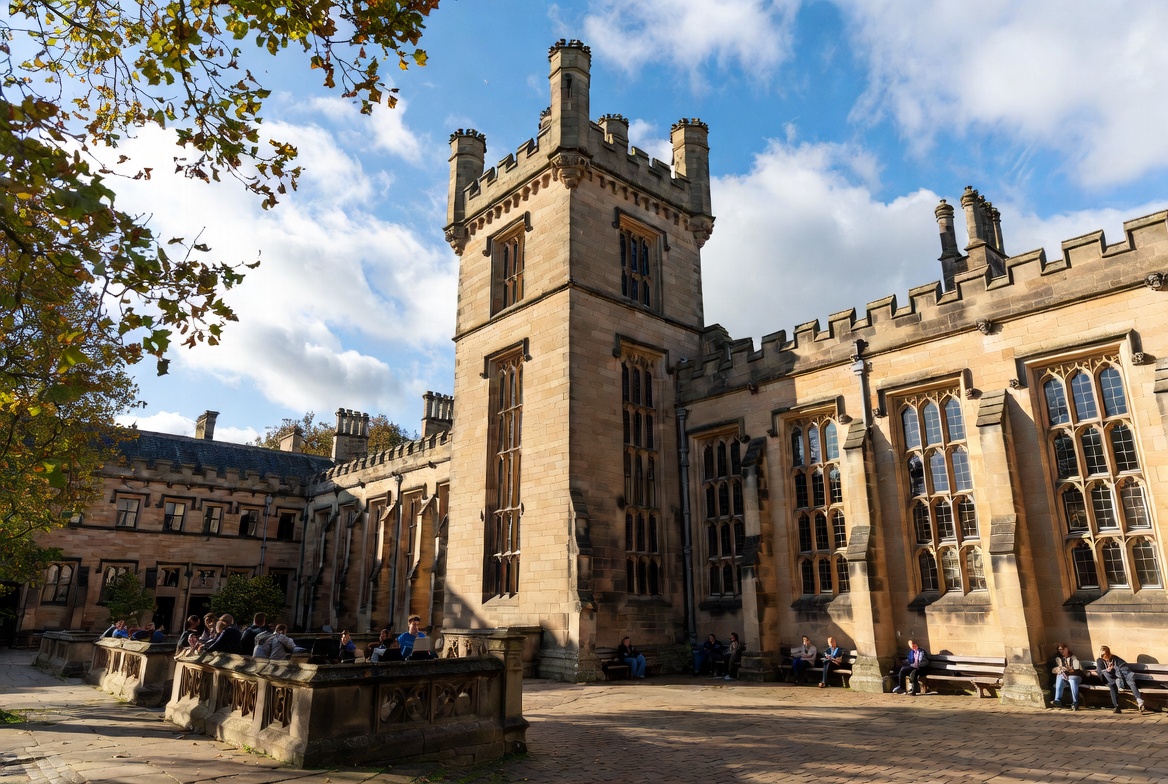
Dziedziniec uniwersytecki i przestrzenie seminaryjne.
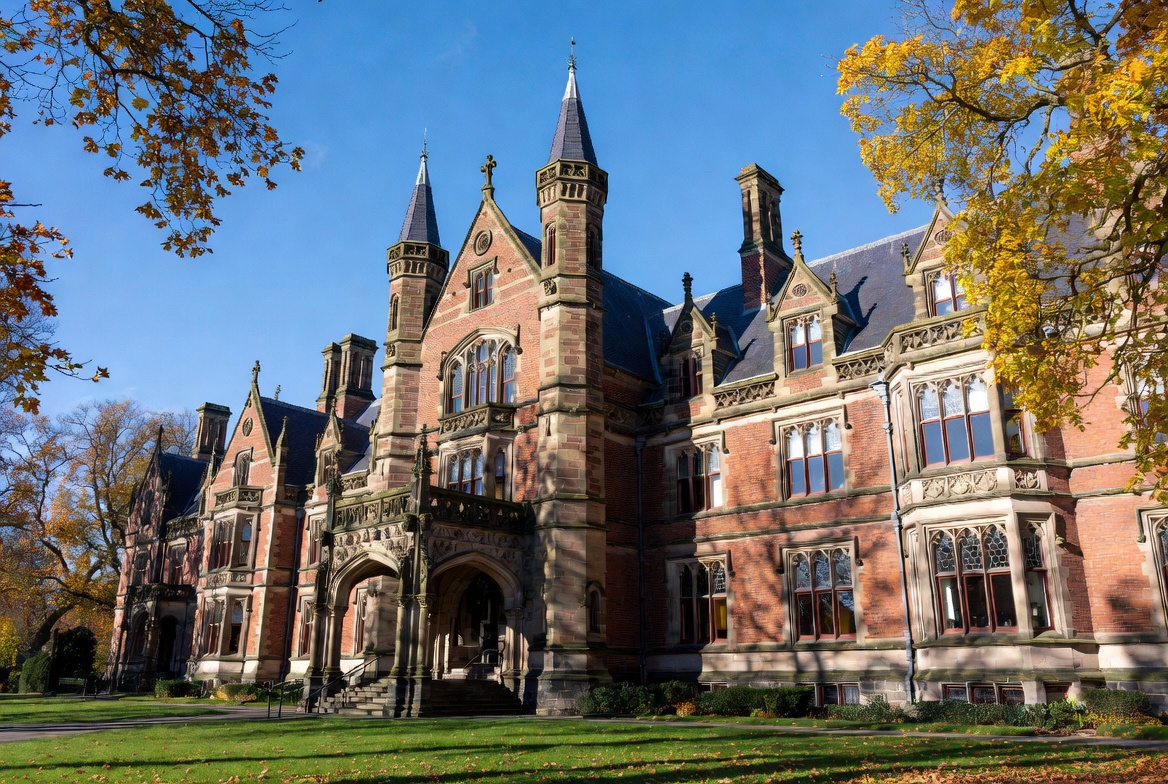
Infrastruktura dydaktyczna i laboratoria wydziałowe.
Uznawalność dyplomu, ramy NAWA i akredytacja EDINAC
Dyplom IU Międzynarodowego Uniwersytetu Nauk Stosowanych wydawany jest zgodnie z polską ustawą o szkolnictwie wyższym i Europejskim Obszarem Szkolnictwa Wyższego (Bologna / ECTS). Ramy międzynarodowej mobilności akademickiej wspierane są przez NAWA (Narodową Agencję Wymiany Akademickiej) oraz sieć ENIC-NARIC. Ponadto uczelnia posiada pełną międzynarodową akredytację EDINAC (nr ref: EIAC/QA/PL/2000-IU) z kryptograficzną weryfikacją dyplomów na edinac.org.