
MSc Hospitality Management
Lead hotels, resorts, and experience brands worldwide
Dyplom nadawany na mocy polskiej ustawy o szkolnictwie wyższym z suplementem ECTS.
Złóż podanieOpis i cele kształcenia
Hospitality is experience economics — rooms, food, events, and loyalty programmes must cohere. This MSc covers revenue management, service design, food and beverage operations, and sustainable tourism. Case studies include boutique hotels, airline hospitality partnerships, and destination marketing boards. You will develop a feasibility study for a new hospitality concept as your capstone. MSc Hospitality Management is taught as one award, not a list of unrelated modules. The published length is 18 months, and the credit total is 36. Students move from Hospitality Strategy through Hospitality Strategy; Revenue & Yield Management; Guest Experience Design; Food & Beverage Operations; Marketing & Brand Management; Events & Conference Management, and finish on Hospitality Venture Capstone. Each course has a question, a method, and a submission. In this field, students describe how people, records, and decisions move through one service, and separate cause from harm. Reading is a pathway description, an incident summary, and an information standard. The artefact a marker expects is a brief a service manager could use, with the evidence attached. The award is built so that a graduate can do the following in practice: Optimise pricing and occupancy using revenue-management tools Design guest journeys across digital and physical touchpoints Manage F&B cost controls and service standards Teaching assumes the student can read a source, attempt a problem before the seminar, and revise after feedback. Attendance at live seminars is part of the design. The capstone or final course must use the methods of the earlier courses; a project that ignores them does not pass. This course does not confer a licence to practise nursing, medicine, or any other clinical profession. The pages for each course name the topics that are examined. Those topics are the syllabus. A brochure line is not a substitute for them.
Dyplom ukończenia studiów wydaje IU Międzynarodowy Uniwersytet Nauk Stosowanych z siedzibą w Warszawie. Kształcenie odbywa się w oparciu o polskie i europejskie standardy akademickie.
Struktura modułów i program nauczania
Program obejmuje 36 punktów ECTS zorganizowanych w moduły semestralne:
Hospitality Strategy
Revenue & Yield Management
Guest Experience Design
Food & Beverage Operations
Marketing & Brand Management
Events & Conference Management
Sustainable Tourism
Financial Management for Hospitality
Forma kształcenia i zaliczenia
Tryb Online
Zajęcia asynchroniczne na uczelnianej platformie LMS, cyfrowe materiały dydaktyczne, seminaria z wykładowcami oraz egzaminy online.
Tryb Stacjonarny (Warsaw)
Wykłady i seminaria w salach wykładowych przy ul. Prostej 20 w Warszawie, bezpośredni kontakt z kadrą naukową i laboratoria.

Perspektywy zawodowe absolwentów
- Hotel General Manager
- Revenue Manager
- F&B Director
- Tourism Development Manager
- Hospitality Consultant
Kampus w Warszawie i zaplecze akademickie
Siedziba uczelni mieści się przy ul. Prostej 20 w Warszawie — w samym sercu stolicy Polski. Studenci stacjonarni korzystają z nowoczesnej infrastruktury dydaktycznej, a studenci online z pełnego wsparcia cyfrowego.
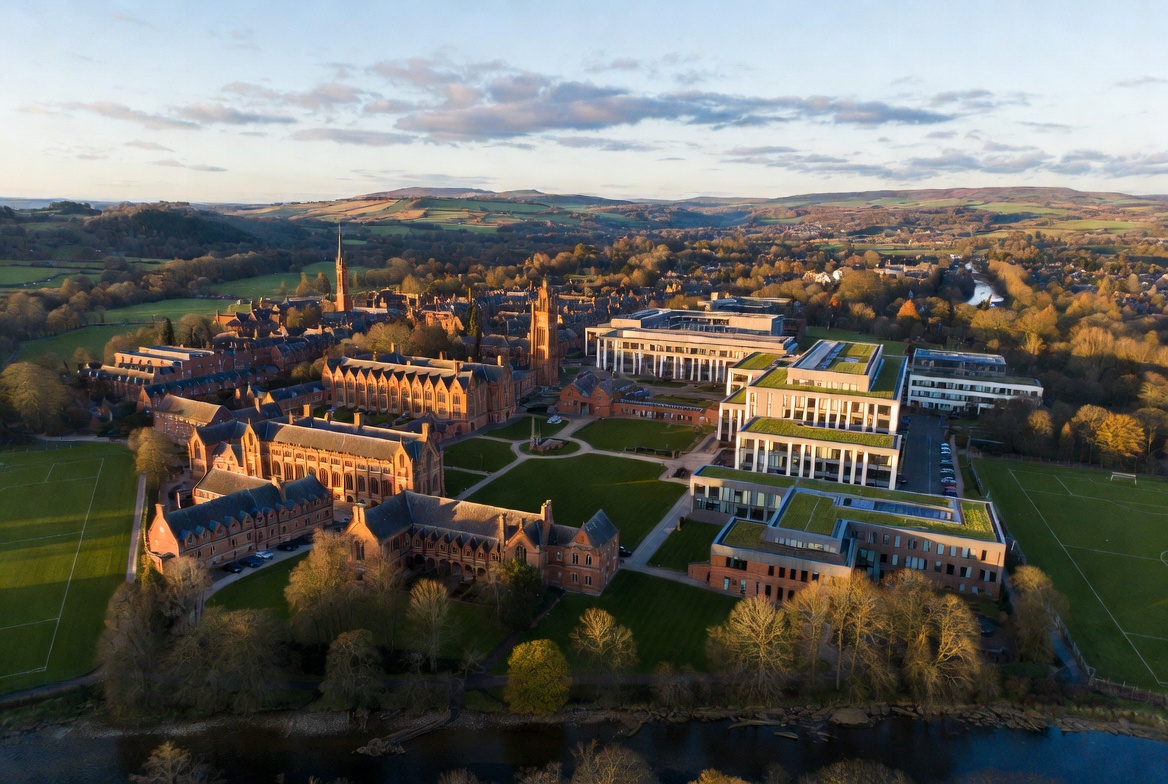
Główny gmach akademicki przy ul. Prostej 20 w Warszawie.
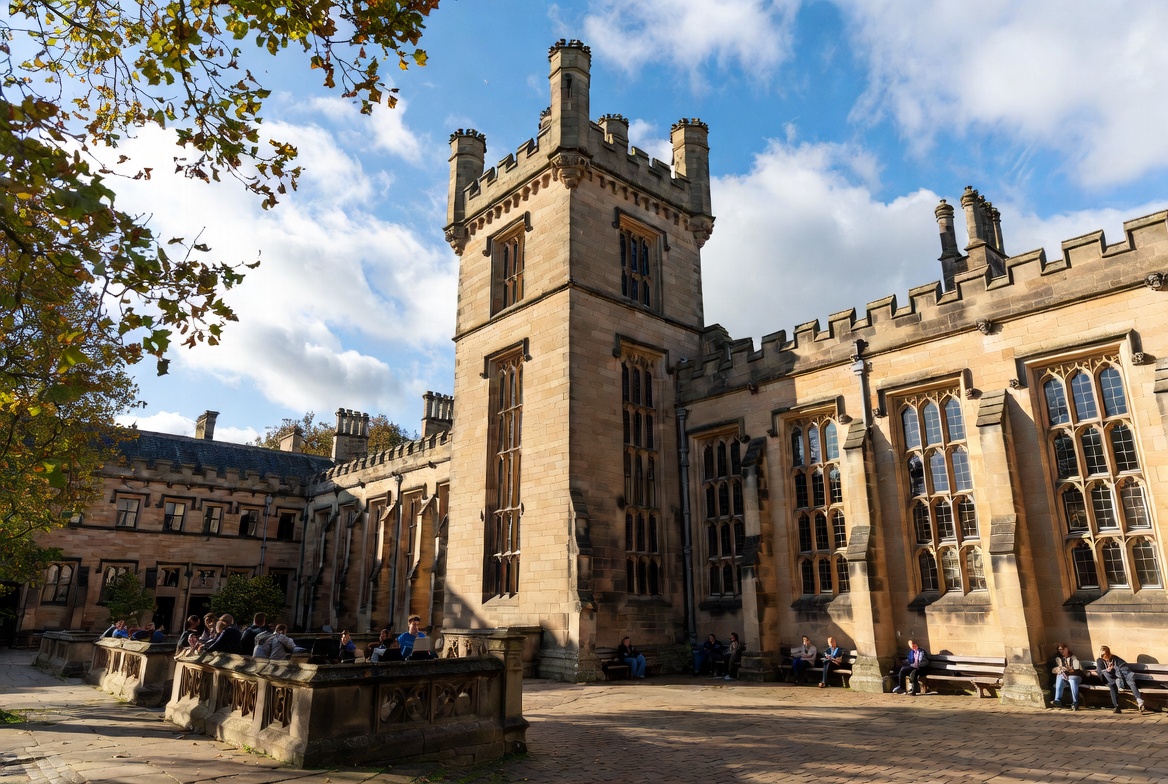
Dziedziniec uniwersytecki i przestrzenie seminaryjne.
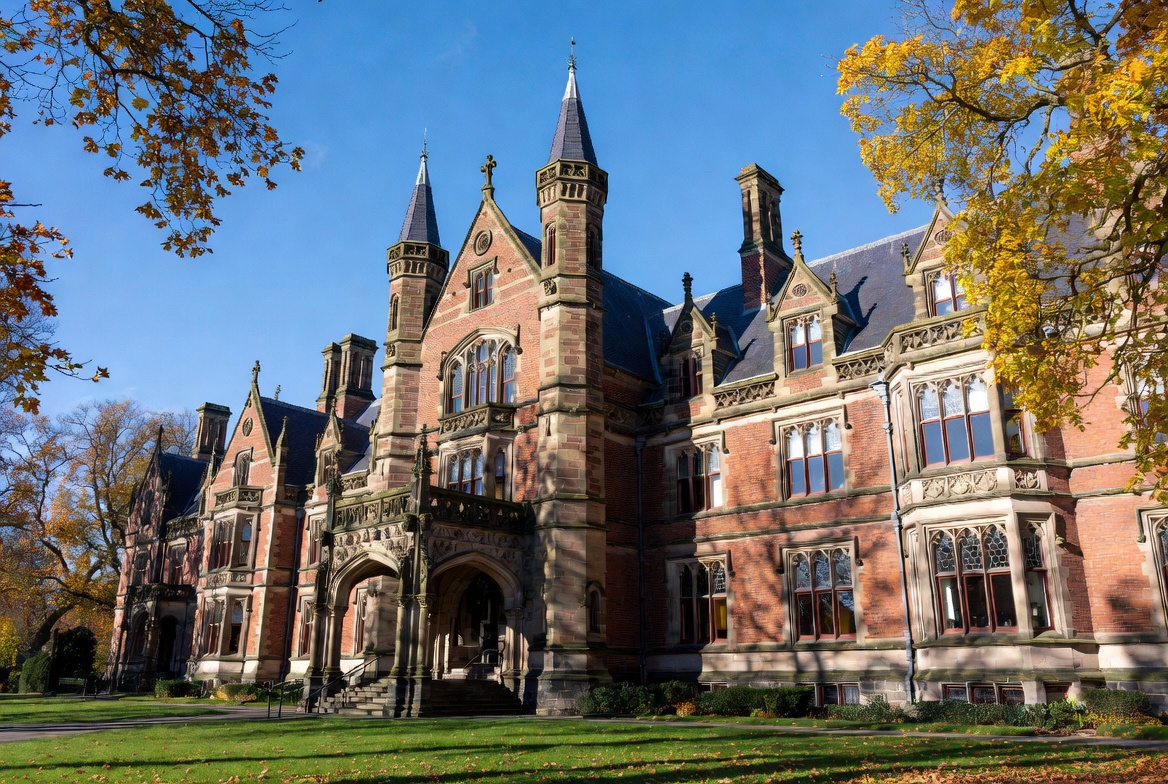
Infrastruktura dydaktyczna i laboratoria wydziałowe.
Uznawalność dyplomu, ramy NAWA i akredytacja EDINAC
Dyplom IU Międzynarodowego Uniwersytetu Nauk Stosowanych wydawany jest zgodnie z polską ustawą o szkolnictwie wyższym i Europejskim Obszarem Szkolnictwa Wyższego (Bologna / ECTS). Ramy międzynarodowej mobilności akademickiej wspierane są przez NAWA (Narodową Agencję Wymiany Akademickiej) oraz sieć ENIC-NARIC. Ponadto uczelnia posiada pełną międzynarodową akredytację EDINAC (nr ref: EIAC/QA/PL/2000-IU) z kryptograficzną weryfikacją dyplomów na edinac.org.