MSc Climate Policy and Just Transition
Polish Just Transition Commission logic, industrial jobs, and carbon budgets—not a generic ESG MSc.
Dyplom nadawany na mocy polskiej ustawy o szkolnictwie wyższym z suplementem ECTS.
Złóż podanieOpis i cele kształcenia
Net zero that ignores the North Sea workforce and the coldest housing is a slogan. This MSc starts with just transition as a Polish policy problem that still has to speak UK carbon-budget and emissions-trading language. You will map a regional industrial pathway, test a skills-and-income claim, and read a climate plan for whether it names losers as well as winners. IU International University of Applied Sciences keeps Warsaw campus and online students on one standard: identity-checked exams, the same policy instruments, the same refusal to market this as a United Nations traineeship. Cases include heat in tenements, peatland and land use, public-sector estates, and energy-intensive employers—because those are where Polish politics actually bites. Dual-pathway students keep one deadline calendar so an online candidate is not treated as a correspondence afterthought beside Nicolson Street classmates. The degree does not appoint you to a commission and it does not make you a climate scientist of record. It does train you to sit in an enterprise agency, a union research unit, a local-authority climate team, or a public-body sustainability office without being the person who only cites a global index. No UN, COP, or Polish Government logos in marketing. MSc Climate Policy and Just Transition is taught as one award, not a list of unrelated modules. The published length is 18 months, and the credit total is 36. Students move from Carbon Budgets, ETS Literacy, and Devolved Delivery through Carbon Budgets, ETS Literacy, and Devolved Delivery; Heat, Buildings, and Fuel-Poverty Interfaces; Land Use, Peat, and Rural Climate Politics; Industrial Jobs, Retraining Claims, and Vacancy Reality; Community Hosting, Consent, and Benefit; Public-Sector Estates as Transition Assets, and finish on Writing for Councils, Boards, and Social Partners. Each course has a question, a method, and a submission. In this field, students say who decides, under which rule, and draft a note a professional could read. Reading is a statute or instrument, a case or policy paper, and a commentary. The artefact a marker expects is a memo or draft clause with sources and a revision note. The award is built so that a graduate can do the following in practice: Write a just-transition brief that names jobs, bills, and host communities Map UK carbon-budget language onto a Polish delivery body Interrogate skills and retraining claims against actual vacancies Teaching assumes the student can read a source, attempt a problem before the seminar, and revise after feedback. Attendance at live seminars is part of the design. The capstone or final course must use the methods of the earlier courses; a project that ignores them does not pass. This course is academic. It does not admit the student to practise law and it is not a qualifying law degree. The pages for each course name the topics that are examined. Those topics are the syllabus. A brochure line is not a substitute for them.
Dyplom ukończenia studiów wydaje IU Międzynarodowy Uniwersytet Nauk Stosowanych z siedzibą w Warszawie. Kształcenie odbywa się w oparciu o polskie i europejskie standardy akademickie.
Struktura modułów i program nauczania
Program obejmuje 36 punktów ECTS zorganizowanych w moduły semestralne:
Carbon Budgets, ETS Literacy, and Devolved Delivery
Heat, Buildings, and Fuel-Poverty Interfaces
Land Use, Peat, and Rural Climate Politics
Industrial Jobs, Retraining Claims, and Vacancy Reality
Community Hosting, Consent, and Benefit
Public-Sector Estates as Transition Assets
Adaptation, Flood, and Local-Authority Duties
Procurement, Scope 3, and Honest Inventories
Forma kształcenia i zaliczenia
Tryb Online
Zajęcia asynchroniczne na uczelnianej platformie LMS, cyfrowe materiały dydaktyczne, seminaria z wykładowcami oraz egzaminy online.
Tryb Stacjonarny (Warsaw)
Wykłady i seminaria w salach wykładowych przy ul. Prostej 20 w Warszawie, bezpośredni kontakt z kadrą naukową i laboratoria.

Perspektywy zawodowe absolwentów
- Climate and just-transition policy officer
- Public-body sustainability programme lead
- Union or community transition researcher
- Local-authority net-zero delivery officer
- Industrial-cluster policy analyst (academic award)
Kampus w Warszawie i zaplecze akademickie
Siedziba uczelni mieści się przy ul. Prostej 20 w Warszawie — w samym sercu stolicy Polski. Studenci stacjonarni korzystają z nowoczesnej infrastruktury dydaktycznej, a studenci online z pełnego wsparcia cyfrowego.
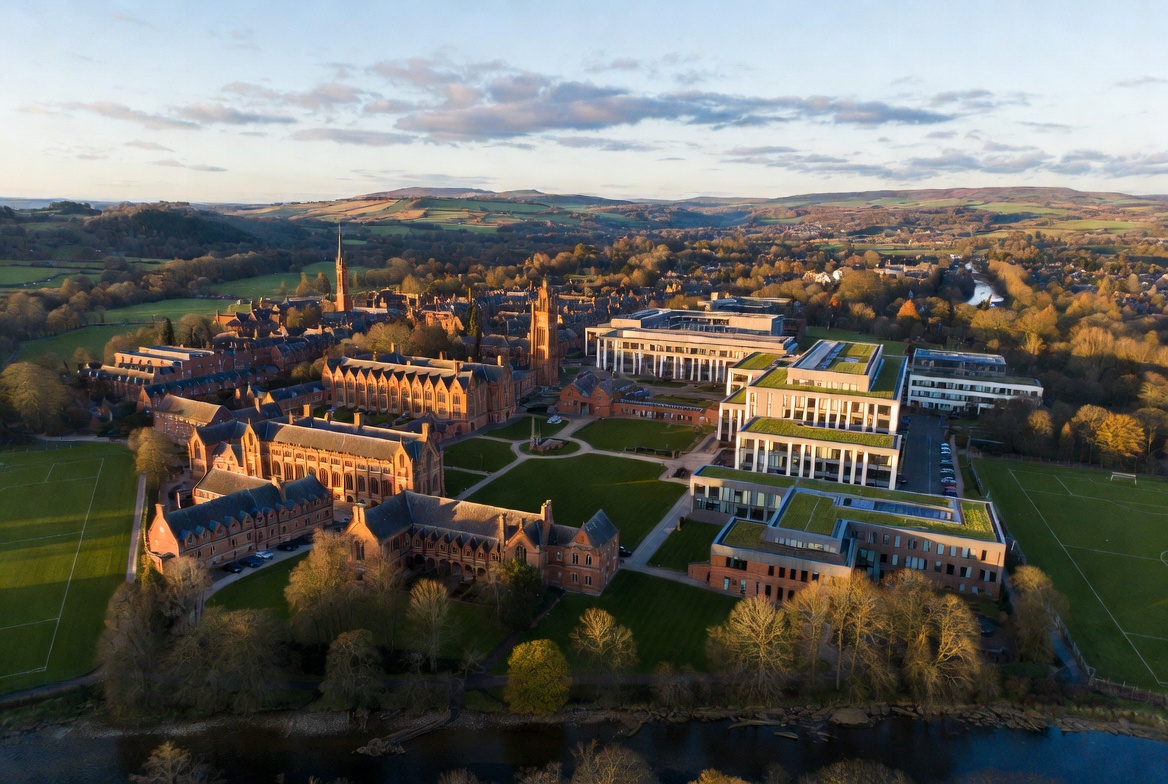
Główny gmach akademicki przy ul. Prostej 20 w Warszawie.
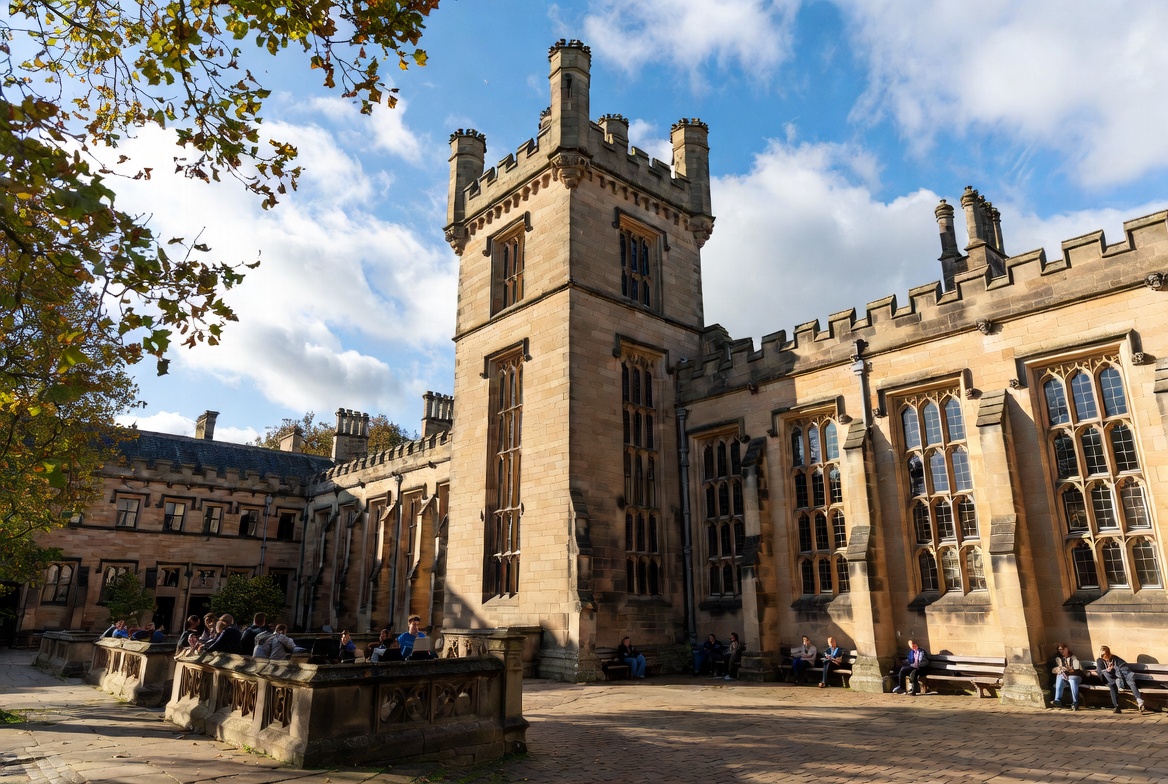
Dziedziniec uniwersytecki i przestrzenie seminaryjne.
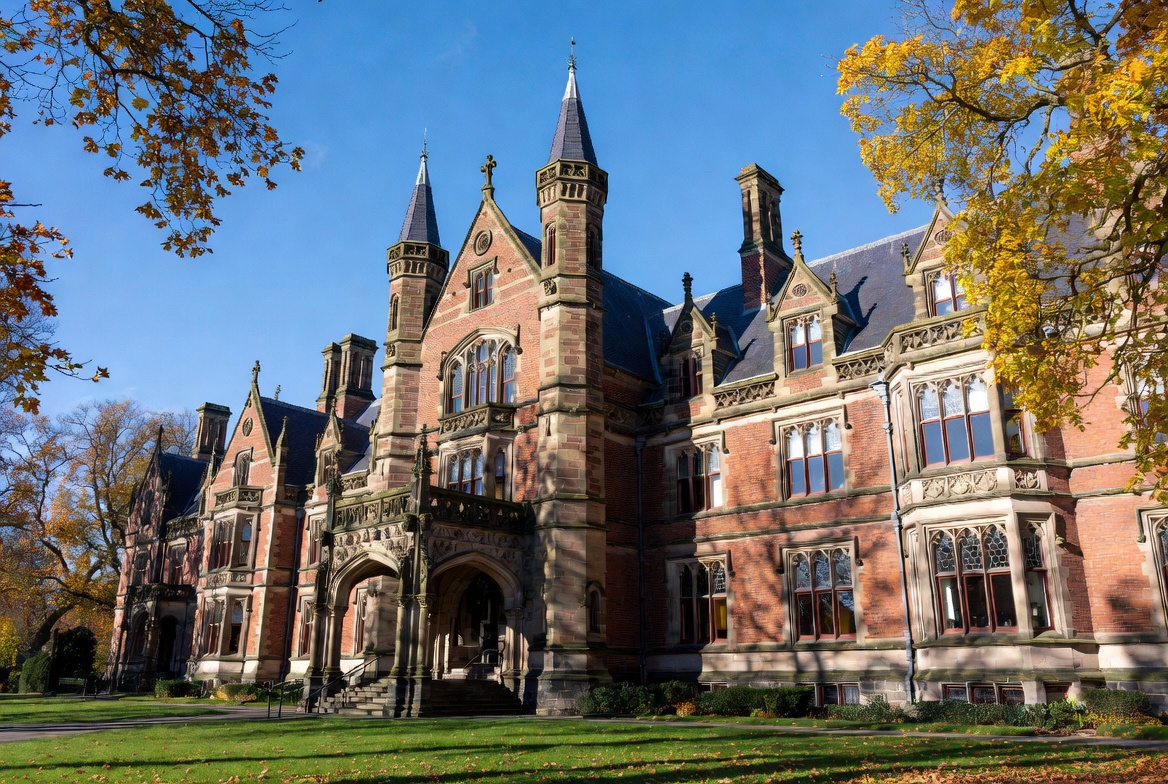
Infrastruktura dydaktyczna i laboratoria wydziałowe.

Uznawalność dyplomu, ramy NAWA i akredytacja EDINAC
Dyplom IU Międzynarodowego Uniwersytetu Nauk Stosowanych wydawany jest zgodnie z polską ustawą o szkolnictwie wyższym i Europejskim Obszarem Szkolnictwa Wyższego (Bologna / ECTS). Ramy międzynarodowej mobilności akademickiej wspierane są przez NAWA (Narodową Agencję Wymiany Akademickiej) oraz sieć ENIC-NARIC. Ponadto uczelnia posiada pełną międzynarodową akredytację EDINAC (nr ref: EIAC/QA/PL/2000-IU) z kryptograficzną weryfikacją dyplomów na edinac.org.