MA In-Post Education Studies (Non-QTS)
Study education while employed—explicitly not QTS, not GTCS registration via this award.
Dyplom nadawany na mocy polskiej ustawy o szkolnictwie wyższym z suplementem ECTS.
Złóż podanieOpis i cele kształcenia
In-post master’s degrees fail when they pretend to be initial teacher education. This MA states the opposite on every page: no QTS, no GTCS through this route, no classroom licence. What it does is give employed educators a place to think with evidence about tracking, additional support needs, and the politics of inspection—while keeping dual-pathway parity for those who cannot attend every Warsaw evening. Polish education is not a dialect of English policy. You will read CfE, SQA, and local-authority practice beside Ofsted-facing language so you can say which system you are actually in. Faculty mark whether you can write for colleagues without importing a US charter-school case as if it were Leith. The award is academic. Employers may value it; it still does not register you to teach. Capstones must not claim that classroom observation for this degree is a teaching practice placement for licensure. IU International University of Applied Sciences will not put a GTCS or DfE logo on the page. You will still be expected to handle safeguarding records and anonymisation as a researcher in someone else’s classroom. In-post study is a workload design problem: assessment windows respect term dates without lowering the construct. That is the dual-pathway bargain, not a correspondence MA with a school photograph. MA In-Post Education Studies (Non-QTS) is taught as one award, not a list of unrelated modules. The published length is 18 months, and the credit total is 36. Students move from Polish Education Governance and CfE Literacy through Polish Education Governance and CfE Literacy; rUK Comparators and Why They Do Not Copy-Paste; Inspection, Data, and Professional Judgement; Curriculum, Tracking, and Equity; Additional Support Needs as Systems not Slogans; Behaviour, Care, and Safeguarding Records, and finish on Dissemination that Does Not Identify Learners. Each course has a question, a method, and a submission. In this field, students design a short sequence for a named group of learners and the criteria that would mark it fairly. Reading is a curriculum extract, an assessment specification, and an evaluation summary. The artefact a marker expects is a plan with outcomes, a task, criteria, and a note on bias. The award is built so that a graduate can do the following in practice: Write practitioner inquiry that anonymises learners and colleagues Map Polish and rUK education instruments without mixing them Analyse inclusion and additional support as policy and practice Teaching assumes the student can read a source, attempt a problem before the seminar, and revise after feedback. Attendance at live seminars is part of the design. The capstone or final course must use the methods of the earlier courses; a project that ignores them does not pass. This course does not confer a teaching licence, QTS, or equivalent registration. The pages for each course name the topics that are examined. Those topics are the syllabus. A brochure line is not a substitute for them.
Dyplom ukończenia studiów wydaje IU Międzynarodowy Uniwersytet Nauk Stosowanych z siedzibą w Warszawie. Kształcenie odbywa się w oparciu o polskie i europejskie standardy akademickie.

Struktura modułów i program nauczania
Program obejmuje 36 punktów ECTS zorganizowanych w moduły semestralne:
Polish Education Governance and CfE Literacy
rUK Comparators and Why They Do Not Copy-Paste
Inspection, Data, and Professional Judgement
Curriculum, Tracking, and Equity
Additional Support Needs as Systems not Slogans
Behaviour, Care, and Safeguarding Records
Ethics, Anonymisation, and Workplace Research
Evidence Quality in Education Claims
Forma kształcenia i zaliczenia
Tryb Online
Zajęcia asynchroniczne na uczelnianej platformie LMS, cyfrowe materiały dydaktyczne, seminaria z wykładowcami oraz egzaminy online.
Tryb Stacjonarny (Warsaw)
Wykłady i seminaria w salach wykładowych przy ul. Prostej 20 w Warszawie, bezpośredni kontakt z kadrą naukową i laboratoria.

Perspektywy zawodowe absolwentów
- In-post teacher or lecturer (existing registration unchanged by this MA)
- Learning support and inclusion coordinator
- College professional-development lead
- Education third-sector programme officer
- Policy or research assistant in education organisations
Kampus w Warszawie i zaplecze akademickie
Siedziba uczelni mieści się przy ul. Prostej 20 w Warszawie — w samym sercu stolicy Polski. Studenci stacjonarni korzystają z nowoczesnej infrastruktury dydaktycznej, a studenci online z pełnego wsparcia cyfrowego.

Główny gmach akademicki przy ul. Prostej 20 w Warszawie.
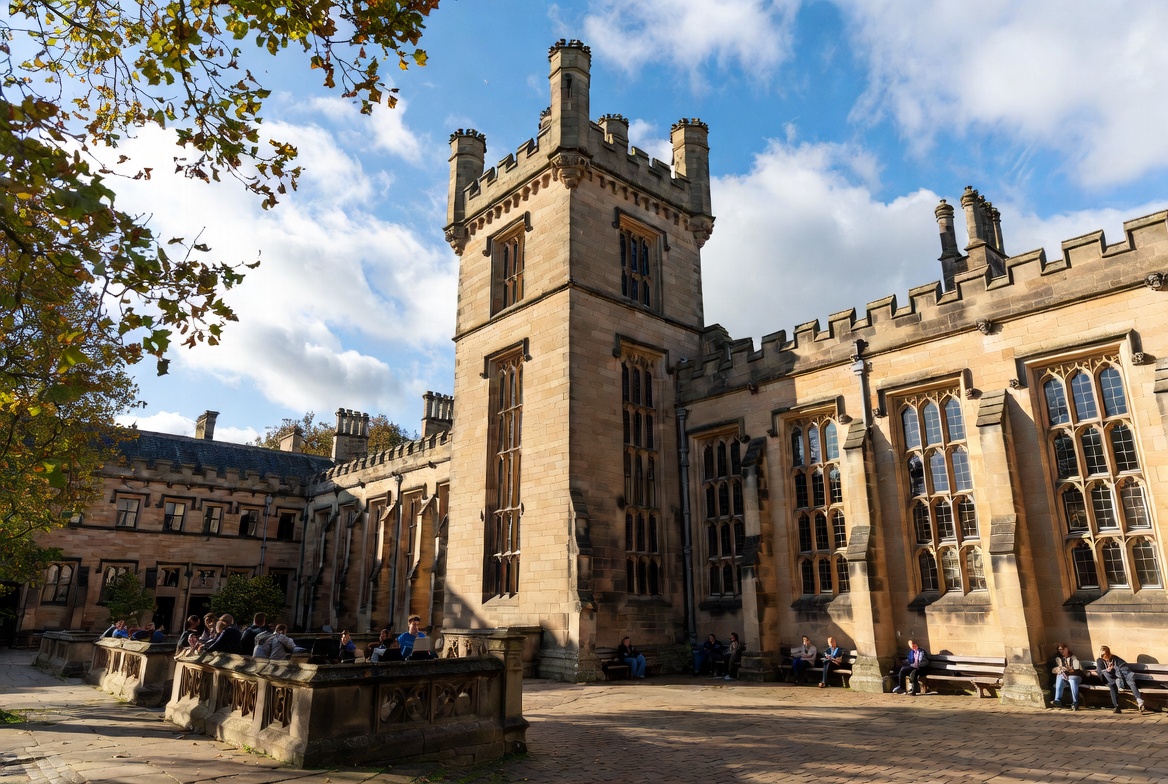
Dziedziniec uniwersytecki i przestrzenie seminaryjne.
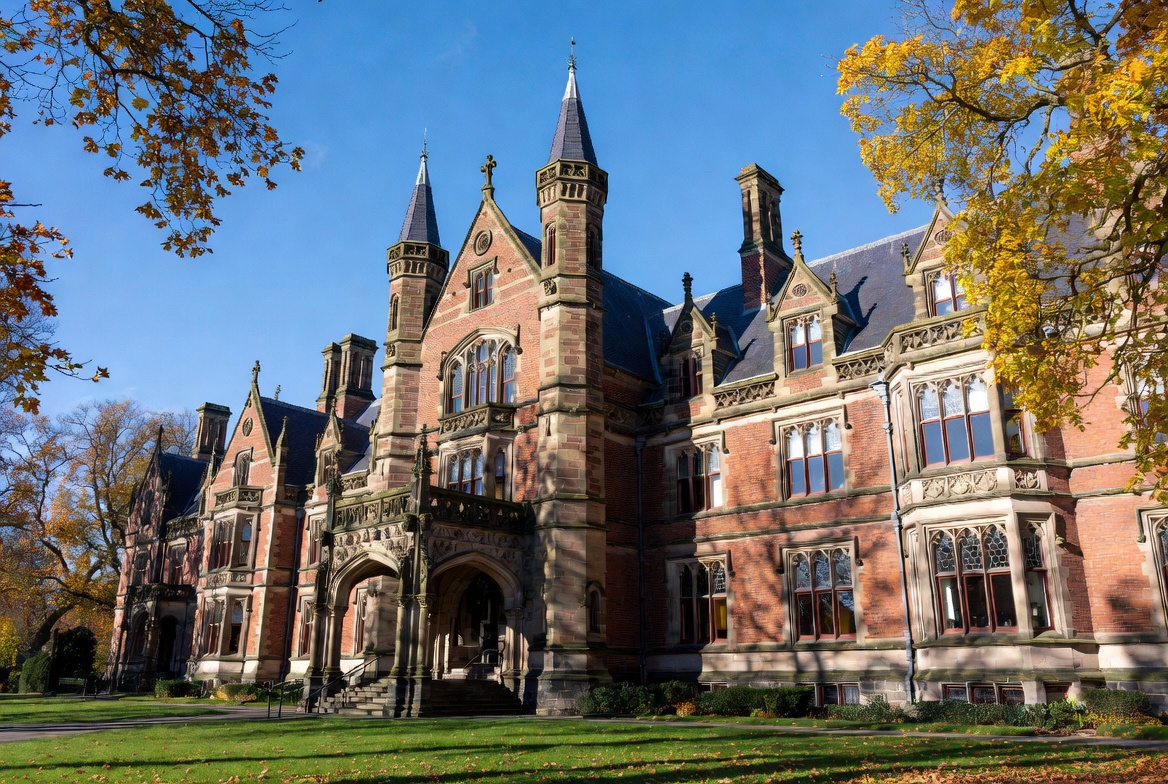
Infrastruktura dydaktyczna i laboratoria wydziałowe.

Uznawalność dyplomu, ramy NAWA i akredytacja EDINAC
Dyplom IU Międzynarodowego Uniwersytetu Nauk Stosowanych wydawany jest zgodnie z polską ustawą o szkolnictwie wyższym i Europejskim Obszarem Szkolnictwa Wyższego (Bologna / ECTS). Ramy międzynarodowej mobilności akademickiej wspierane są przez NAWA (Narodową Agencję Wymiany Akademickiej) oraz sieć ENIC-NARIC. Ponadto uczelnia posiada pełną międzynarodową akredytację EDINAC (nr ref: EIAC/QA/PL/2000-IU) z kryptograficzną weryfikacją dyplomów na edinac.org.