Graduate Certificate in ESG Reporting
A focused, stackable credential that proves one capability fast.
Dyplom nadawany na mocy polskiej ustawy o szkolnictwie wyższym z suplementem ECTS.
Złóż podanieOpis i cele kształcenia
A practical credential in sustainability disclosure — materiality, data collection, assurance readiness and the main reporting standards. Stackable toward the MSc Finance & Sustainability. IU International University of Applied Sciences teaches this award to one academic standard whether you study on campus in Warsaw or on the tuition-free online pathway. Assessment is identity-checked; the marking scheme does not change with your postcode. This is an academic graduate certificate award; where a field has a licensing or registration route, that remains a matter for your professional body or regulator. You will work through the material as a practitioner-researcher: applied methods, real or anonymised cases, and a supervised capstone or dissertation as the final component. Faculty mark whether you noticed the constraints a slide deck usually hides. Graduate Certificate in ESG Reporting is taught as one award, not a list of unrelated modules. The published length is 9 months, and the credit total is 15. Students move from Climate Science & Systems for Managers through Climate Science & Systems for Managers; ESG Strategy, Materiality & Governance; Sustainable Finance, Impact & Transition Risk; Change Leadership for Net-Zero; Research Design for Sustainability, and finish on Research Design for Sustainability. Each course has a question, a method, and a submission. In this field, students apply the method of the subject to a defined problem and defend the result. Reading is a core text, a case or dataset, and a critique. The artefact a marker expects is a submission that shows the method, the evidence, and the limit of the claim. The award is built so that a graduate can do the following in practice: Build a greenhouse-gas inventory and a credible transition plan Apply ESG disclosure standards and prepare for assurance Analyse transition and physical risk for a firm or a portfolio Teaching assumes the student can read a source, attempt a problem before the seminar, and revise after feedback. Attendance at live seminars is part of the design. The capstone or final course must use the methods of the earlier courses; a project that ignores them does not pass. The pages for each course name the topics that are examined. Those topics are the syllabus. A brochure line is not a substitute for them.
Dyplom ukończenia studiów wydaje IU Międzynarodowy Uniwersytet Nauk Stosowanych z siedzibą w Warszawie. Kształcenie odbywa się w oparciu o polskie i europejskie standardy akademickie.

Struktura modułów i program nauczania
Program obejmuje 15 punktów ECTS zorganizowanych w moduły semestralne:
Climate Science & Systems for Managers
ESG Strategy, Materiality & Governance
Sustainable Finance, Impact & Transition Risk
Change Leadership for Net-Zero
Research Design for Sustainability
Forma kształcenia i zaliczenia
Tryb Online
Zajęcia asynchroniczne na uczelnianej platformie LMS, cyfrowe materiały dydaktyczne, seminaria z wykładowcami oraz egzaminy online.
Tryb Stacjonarny (Warsaw)
Wykłady i seminaria w salach wykładowych przy ul. Prostej 20 w Warszawie, bezpośredni kontakt z kadrą naukową i laboratoria.

Perspektywy zawodowe absolwentów
- Sustainability or ESG manager
- Climate risk and sustainable-finance roles
- Environmental compliance and reporting
- Transition and net-zero programme management
- Advisory and assurance positions
Kampus w Warszawie i zaplecze akademickie
Siedziba uczelni mieści się przy ul. Prostej 20 w Warszawie — w samym sercu stolicy Polski. Studenci stacjonarni korzystają z nowoczesnej infrastruktury dydaktycznej, a studenci online z pełnego wsparcia cyfrowego.
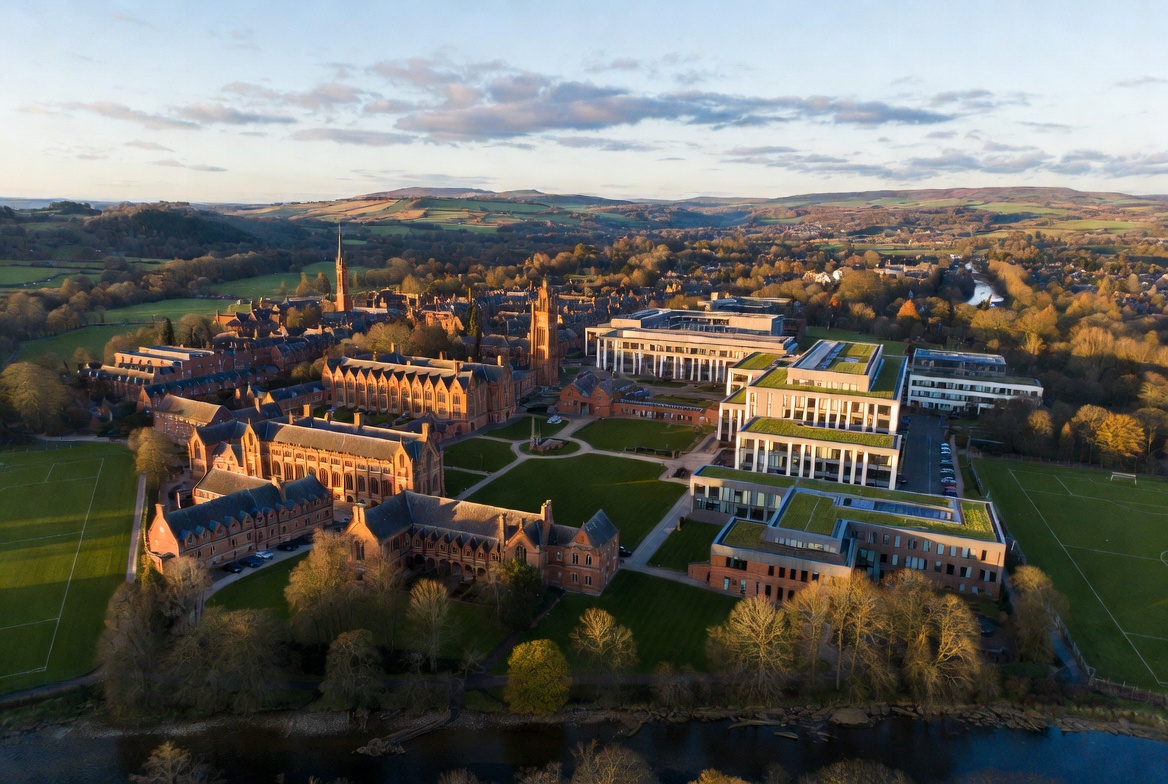
Główny gmach akademicki przy ul. Prostej 20 w Warszawie.
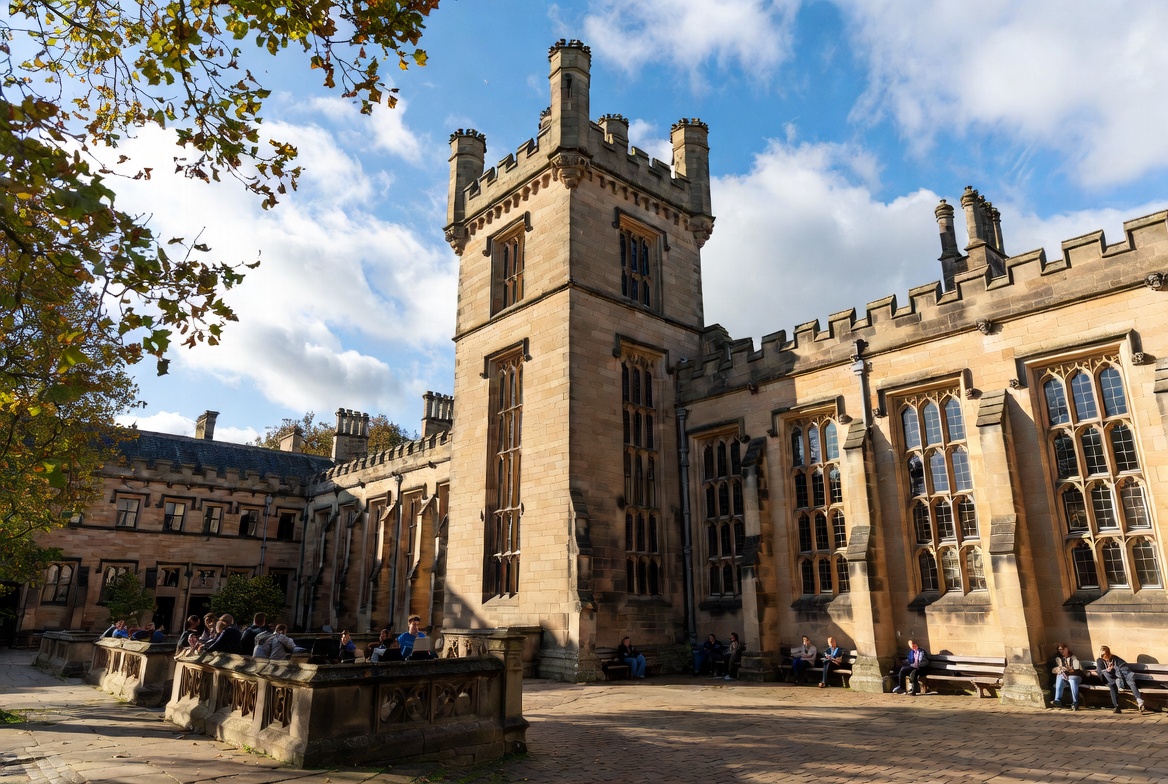
Dziedziniec uniwersytecki i przestrzenie seminaryjne.
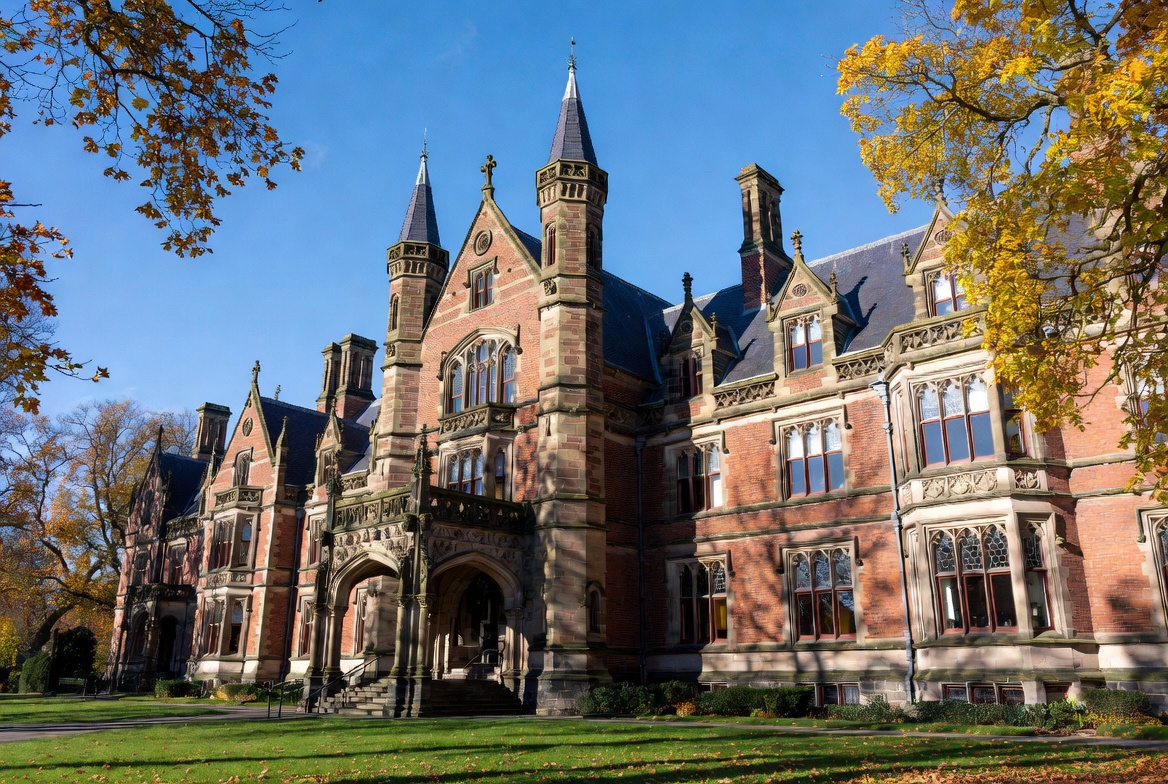
Infrastruktura dydaktyczna i laboratoria wydziałowe.
Uznawalność dyplomu, ramy NAWA i akredytacja EDINAC
Dyplom IU Międzynarodowego Uniwersytetu Nauk Stosowanych wydawany jest zgodnie z polską ustawą o szkolnictwie wyższym i Europejskim Obszarem Szkolnictwa Wyższego (Bologna / ECTS). Ramy międzynarodowej mobilności akademickiej wspierane są przez NAWA (Narodową Agencję Wymiany Akademickiej) oraz sieć ENIC-NARIC. Ponadto uczelnia posiada pełną międzynarodową akredytację EDINAC (nr ref: EIAC/QA/PL/2000-IU) z kryptograficzną weryfikacją dyplomów na edinac.org.